Ecolanscaping and green space

Green streets, Portland(OR) USA

Reading time: 12 min

Portland is the largest city in the state of Oregon, the third largest city in terms of population in the Pacific Northwest after Seattle and Vancouver. With 652,503 inhabitants (2020), it ranks 29th among US cities. Founded in 1851, it takes its name from the eponymous city in the state of Maine on the east coast. It was played with a few things for her to be named Boston.

The two owners at the time, Asa Lovejoy and Francis Pettygrove, had to rely on random coin toss to determine which of their hometowns would be designated to name this new city in the American West. Long in the shadow of Oregon City, the state’s capital, Portland has grown in importance thanks to the navigability of the Willamette River that flows through it. The city is located at the confluence of the Columbia River and the Willamette River. Another particularity, and not the least, is that Oregon is located on the Cascades mountain range.

This mountain range extends from the north to the south of British Columbia in Canada to northern California. Cascade mountains map: file:///Users/emmanuelgouy/Downloads/

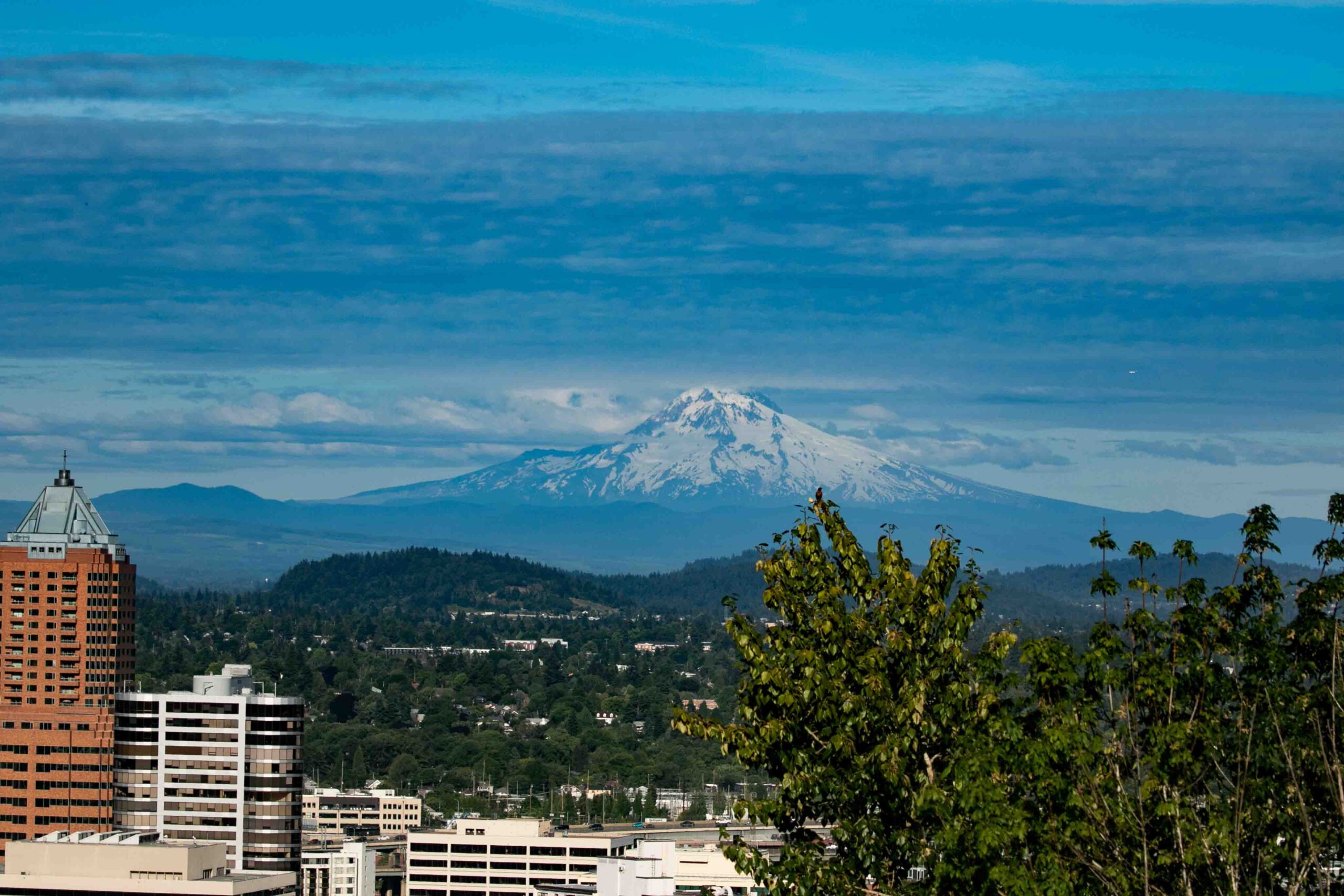
Cascade_Range_topographic_map.svg The Cascade Mountains contain the volcanic arc of the Cascades, composed of Mount Rainier (4392m), Mount Shasta (4317m), Mount Hood (3426m) and Mount St Helen (2549m). From Portland, every time we move east we can see a large cone (Stratovolcano) covered with snow at any time of the year. Located a hundred kilometers from the city, Mount Hood dominates the region. Aged 500,000 years, it is considered potentially active; its last eruption is dated 1781-1782 and the last signs of volcanic activity, just before the arrival of the Lewis and Clark expedition in 1805. In the heart of the city, a little more difficult to detect at first glance, it is the Mount Tabor, now Mount Tabor Park, which marks the volcanic past of the city.

 
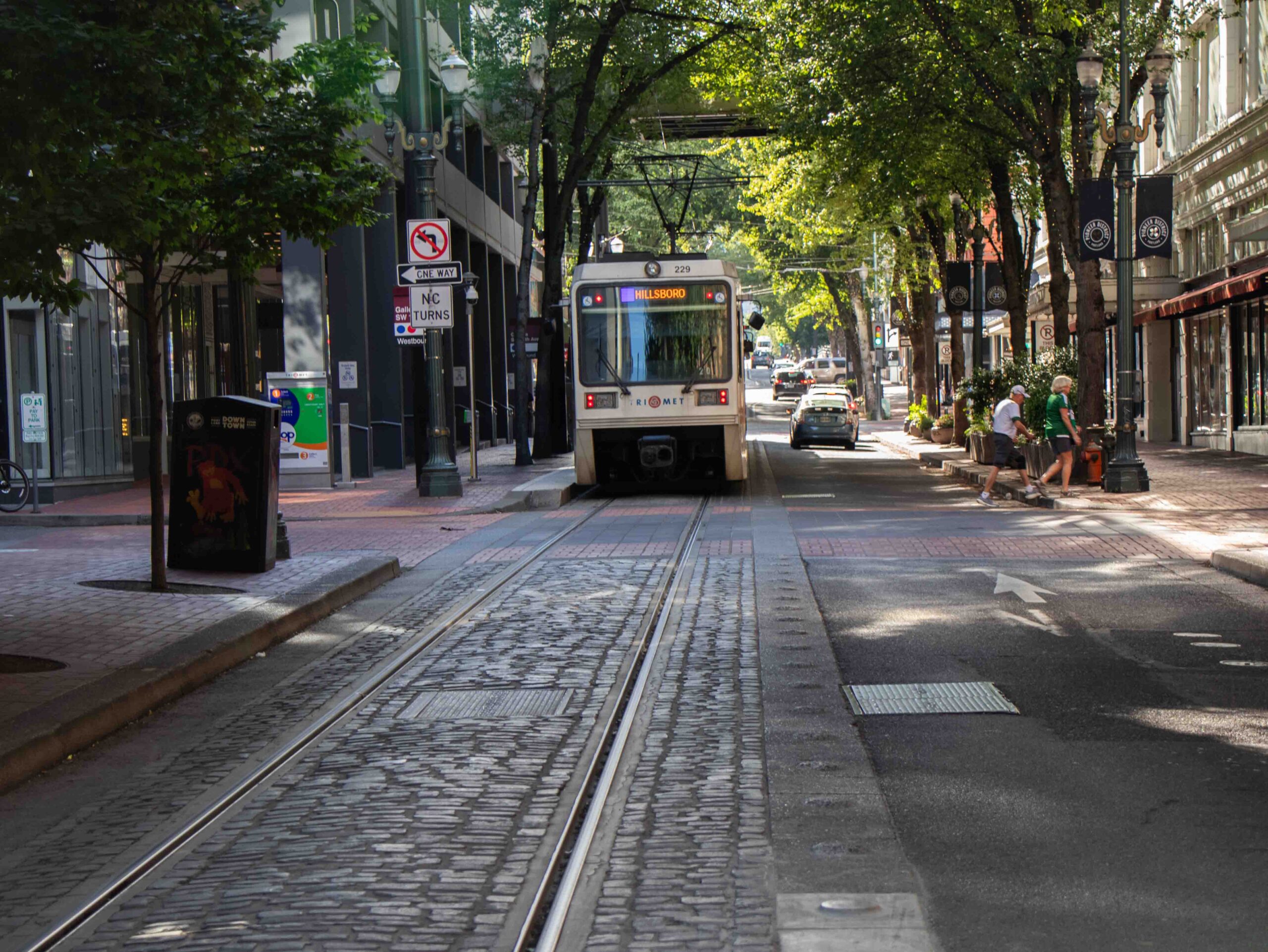
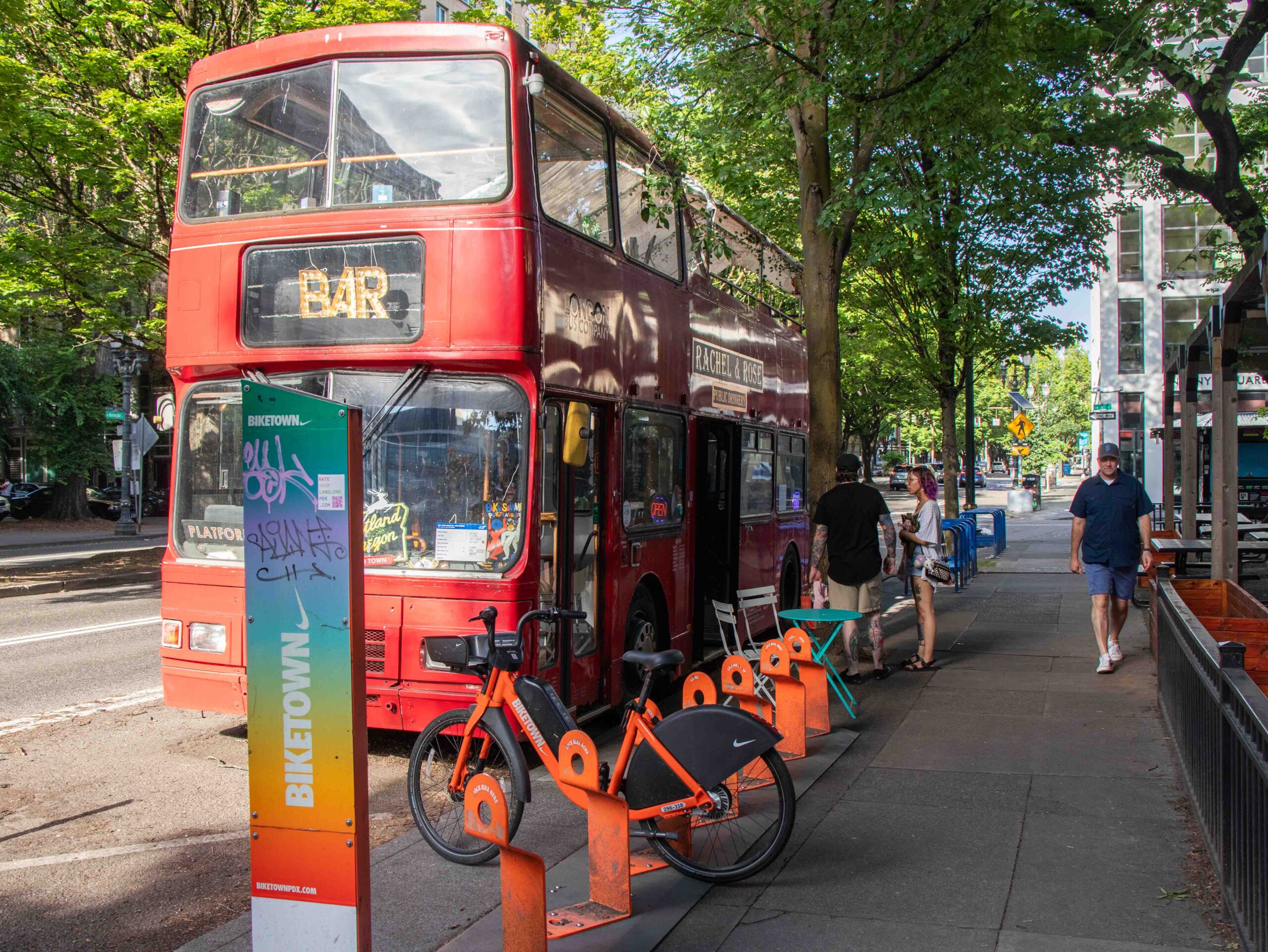
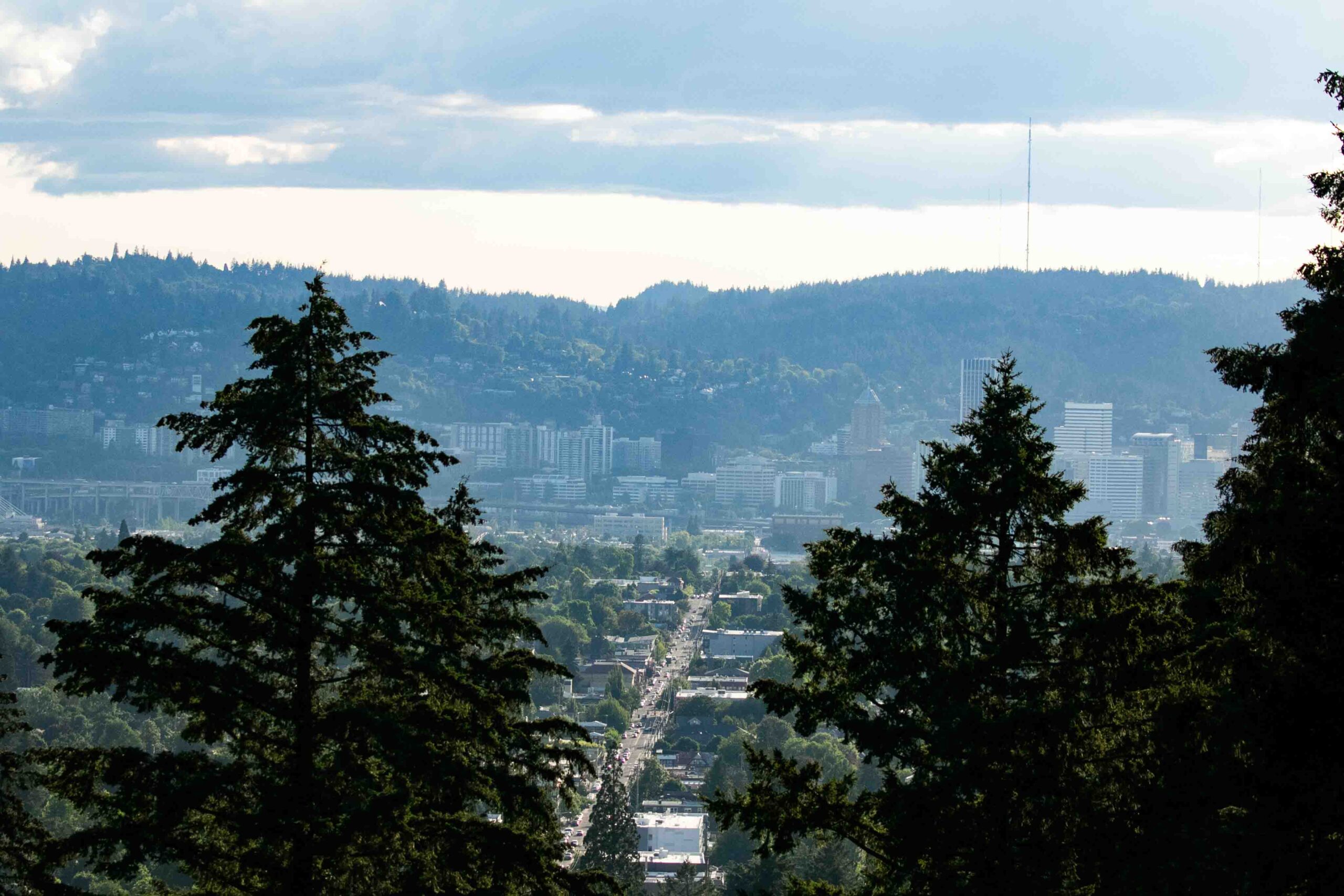
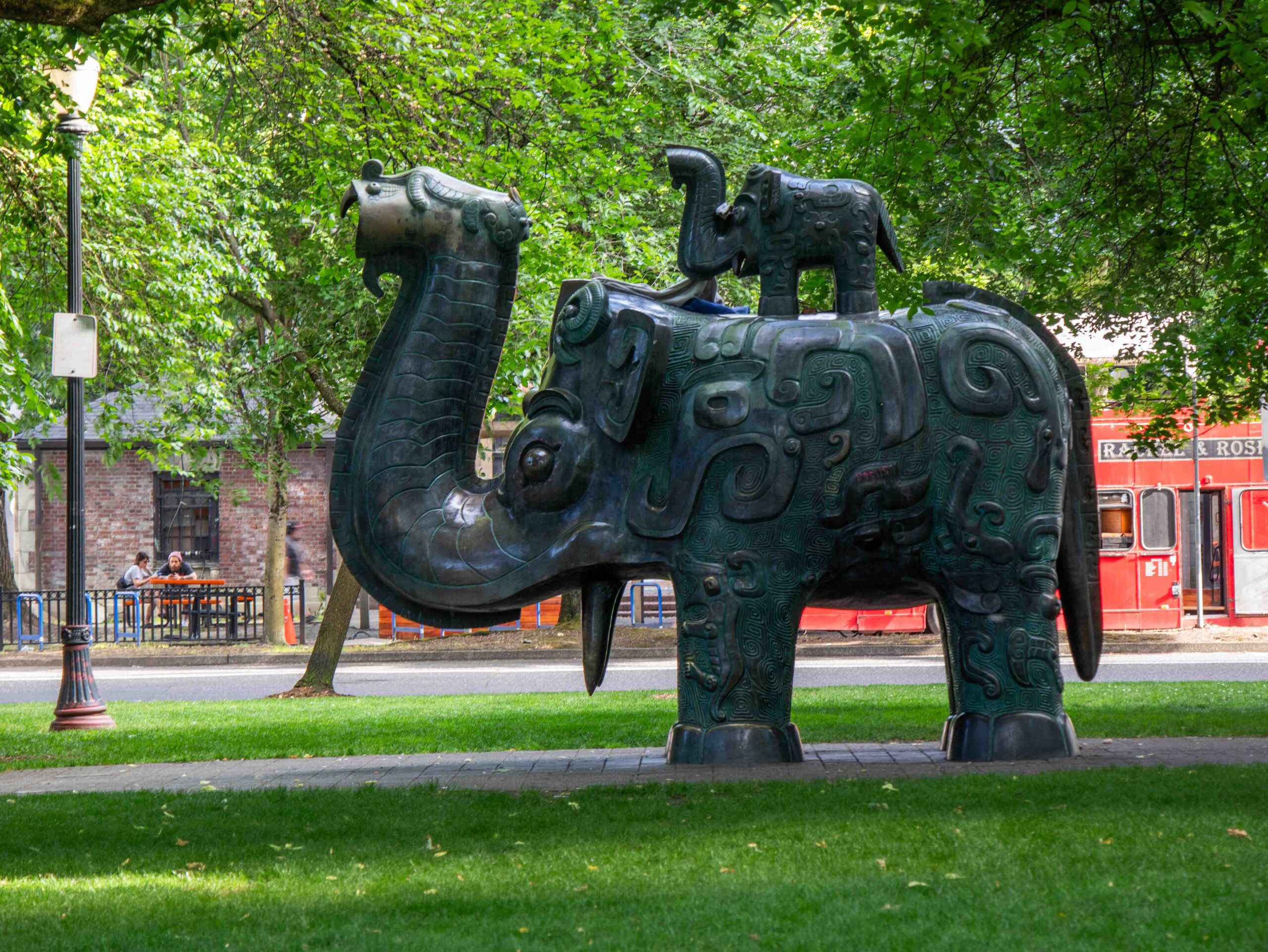
Portland Down Town
Portland Down Town
Portland Down Town
Mount Hood
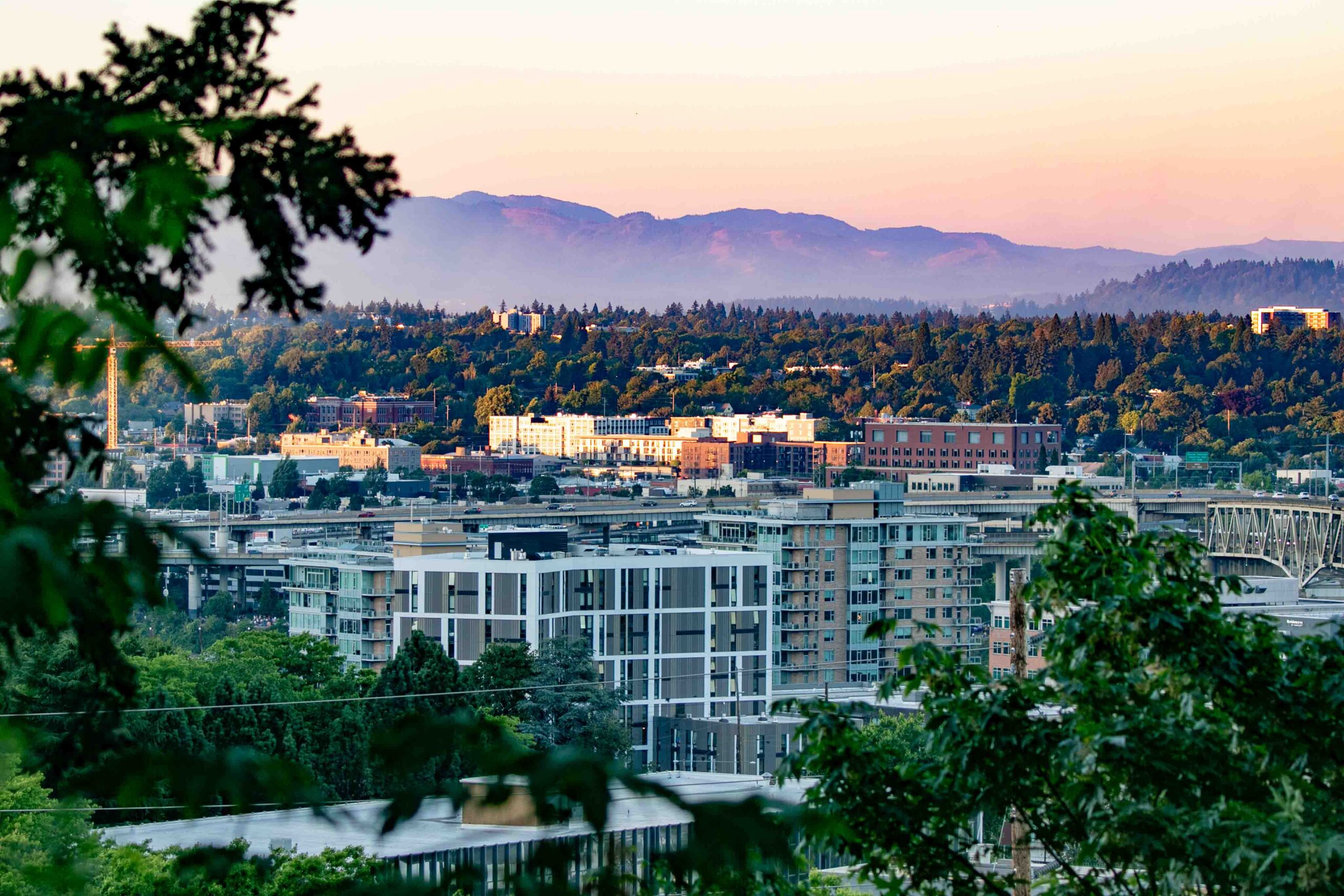
View of Portland
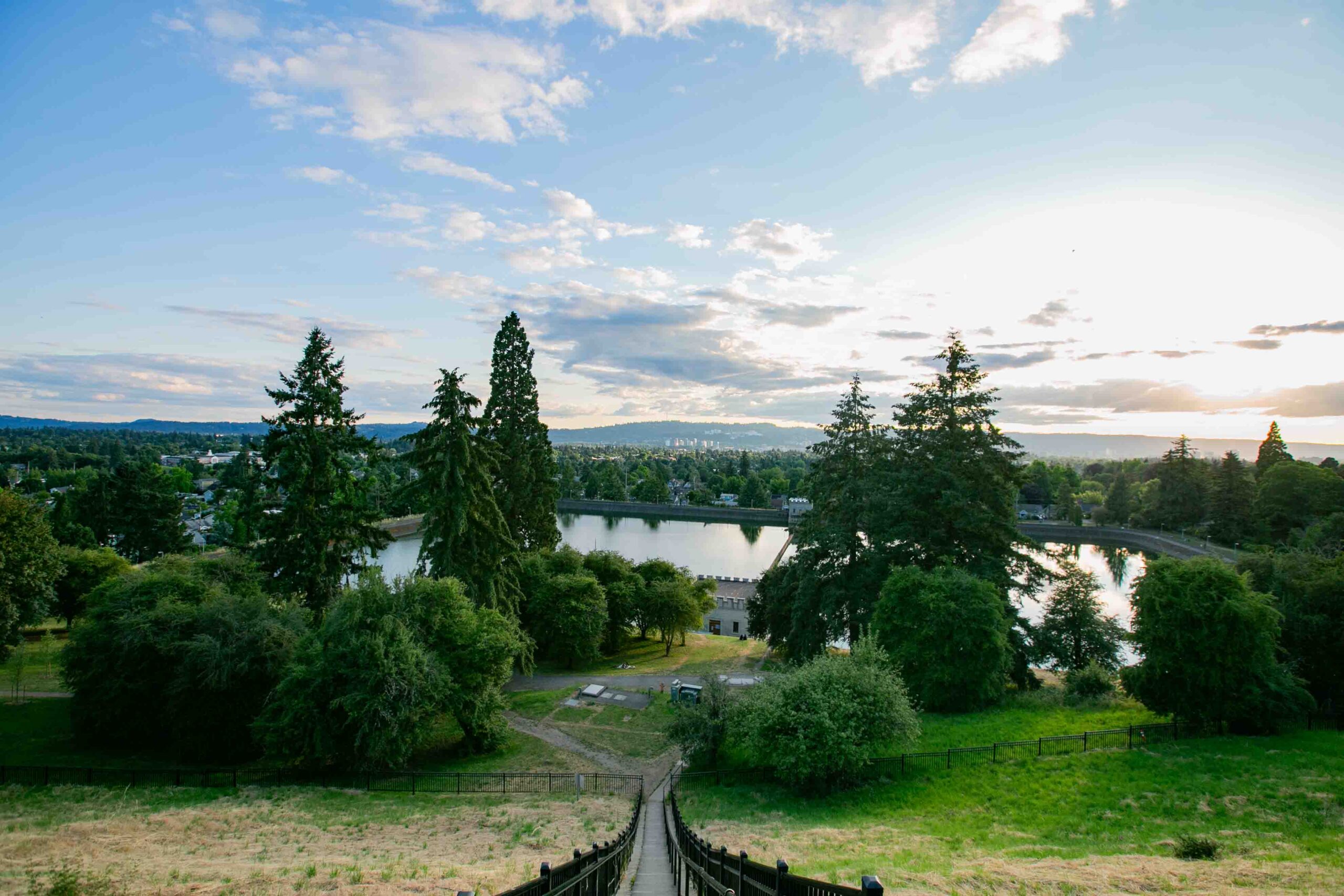
Mount Tabor park
Mount Tabor park
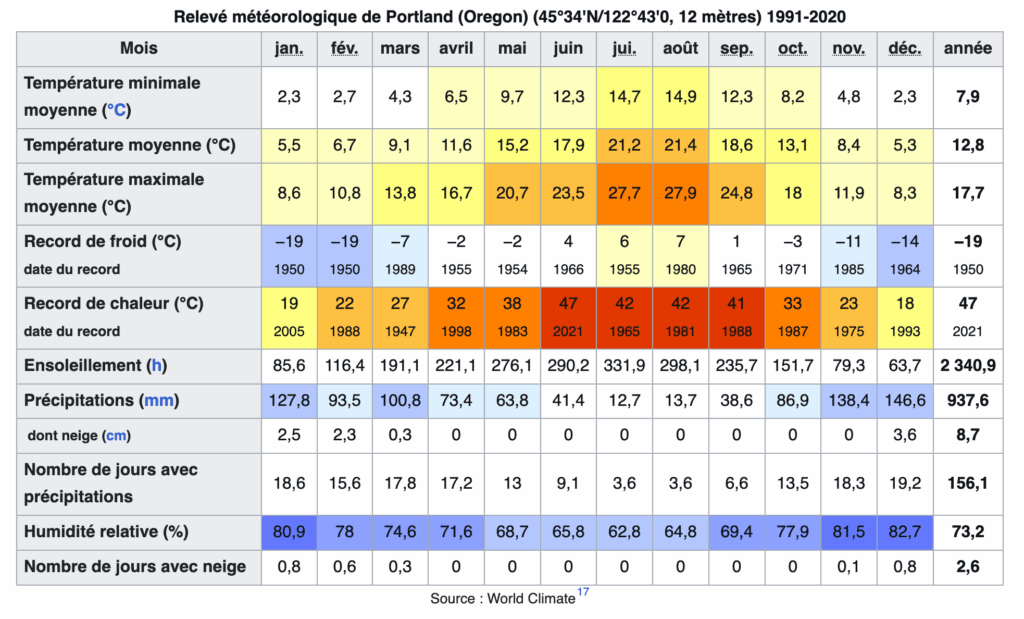
The climate of the region benefits from the influence of the Pacific Ocean. Described as oceanic-temperate, there are however two marked periods. The first very humid spreading from autumn to early spring, while summer becomes hot and dry.
Diagram weather surveys (Wikipedia)
Portland is also the second most ecological city in the USA after Seattle. Recycling 67% of its waste, it has long applied a very proactive policy in its real estate and urban development. In the 1960s, the republican governor of the time,
Tom McCall, https://www.oregonencyclopedia.org/articles/mccall_thomas_l/ voted 4 major texts in terms of sustainable development.
– le beach bill: https://www.opb.org/television/programs/oregonexperience/article/the-beach-bill-/
– le bottle bill: https://www.oregonencyclopedia.org/articles/beverage_container_act_bottle_bill/
– the dismantling of the Harbor Drive highway along the Willamette River https://www.archdaily.com/1023649/transforming-portland-how-a-demolished-highway-became-a-pioneering-waterfront-park
– the Urban Growth Boundary aimed at limiting urban expansion https://www.oregonmetro.gov/urban-growth-boundary
It is precisely these reasons that motivated our visit to Portland. It was while discussing with our English teacher (Laura Glass Formation-) who is originally from Portland that we discovered the city. After doing some research we quickly found an interest in making it a stop on our trip. The reasons mentioned previously played in favor of this choice, then by deepening the research we discovered the ‘green street’ projects led by the city of Portland for about twenty years.


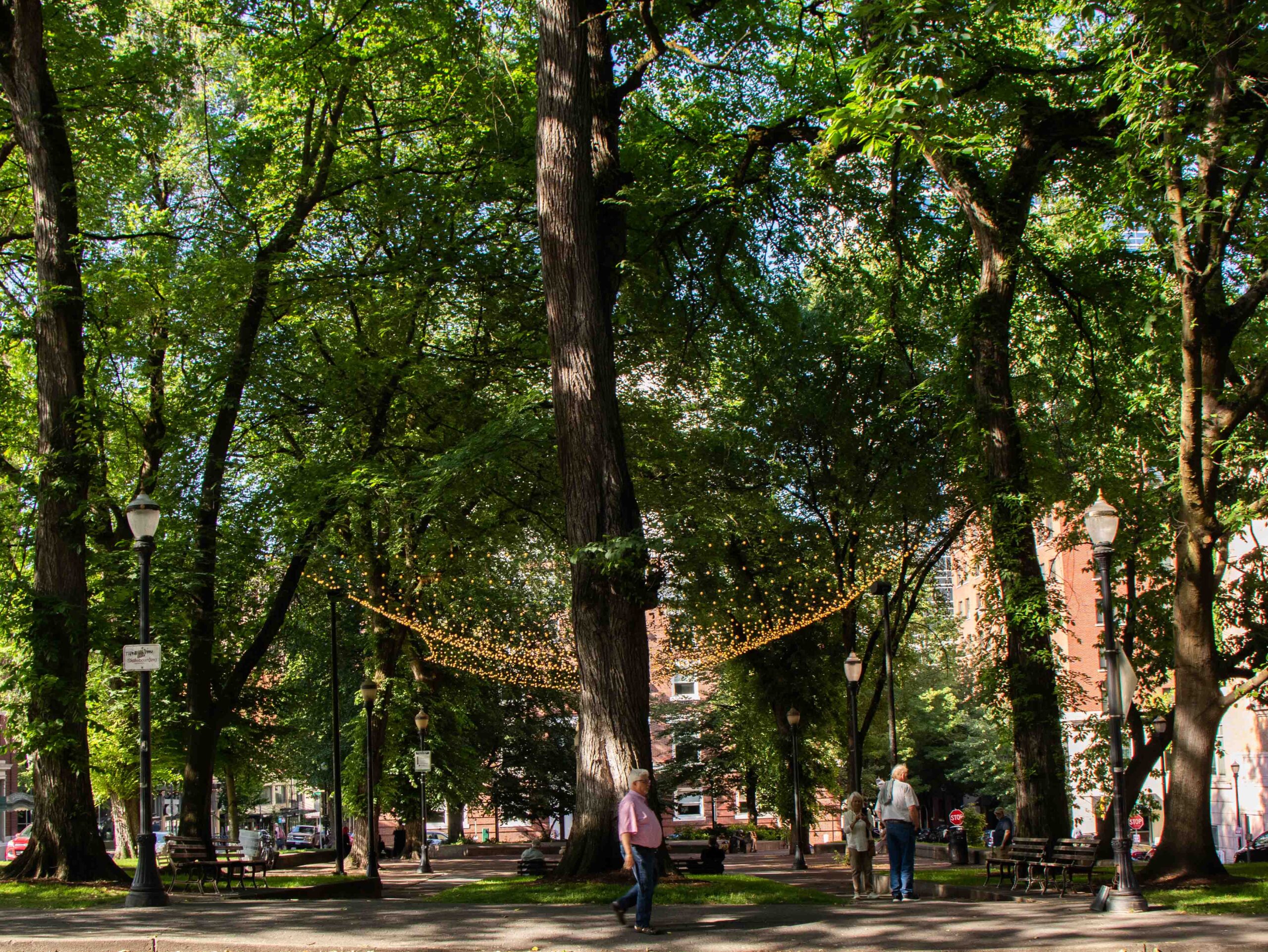
Portland Down Town
Portland Down Town
Portland Down Town
In the 1990s, the wastewater and runoff system was unitary and shared (as in many parts of the world, when there are) Rather aging and elderly for a good third of the city, this obsolescence has repeatedly caused large wastewater spills in the Willamette River.
These repeated pollutions violated the Clean Water Act and have been sanctioned by lawsuits.
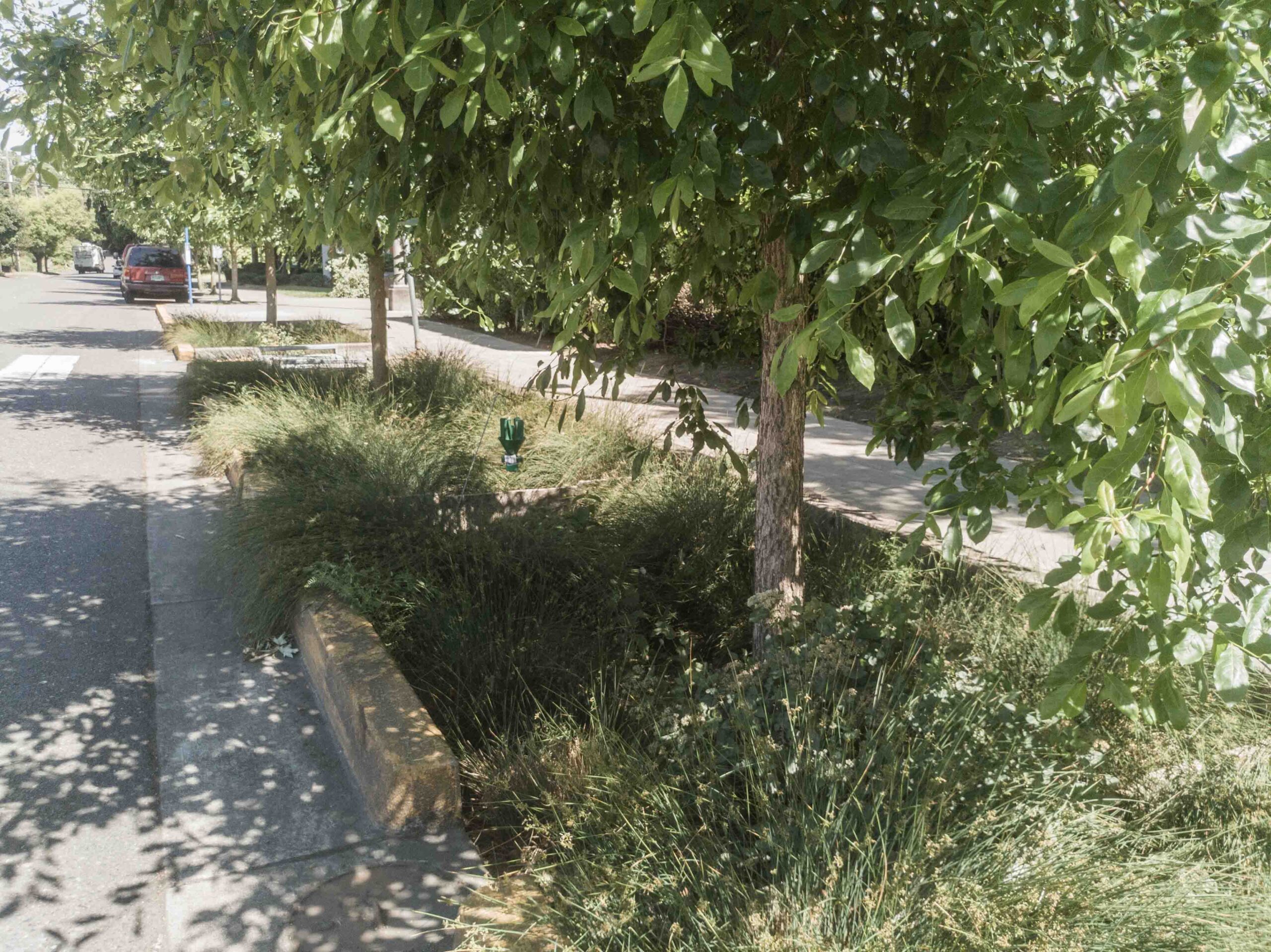
In response to this problem, the city of Portland has implemented an integrated management of these wastewater and runoff. The approach was based on the creation and modernization of grey infrastructure for sewers and the implementation of green infrastructure for rainwater management. This programme started in 2003 as pilot projects and was extended from 2007 after the adoption of the green streets policy. This project has allowed the development of plant-based filtration systems. Named ARD for Artfull Stormwater Design in the United States, the landscape designers and urban planners of the problem. This period witnessed a significant paradigm shift. Until then, stormwater was considered a “waste” and had to be evacuated as quickly as possible and as far as possible. This short-term vision was quickly caught up with reality and had to deal with the increase in impermeable surfaces and the amount of water to manage, with increasingly significant floods. Changing your perspective by considering stormwater as a resource has revolutionized development projects. Since then, the results have been there. Whether they are named swale, landscape valley, rain garden, Stockholm trench, all these works have demonstrated that they brought a landscaped and ecological added value. The fact that plants are at the heart of these infrastructures makes it possible to influence the flow rate (better infiltration into the soil, favored by the roots) and regulate temperatures during periods of high heat.


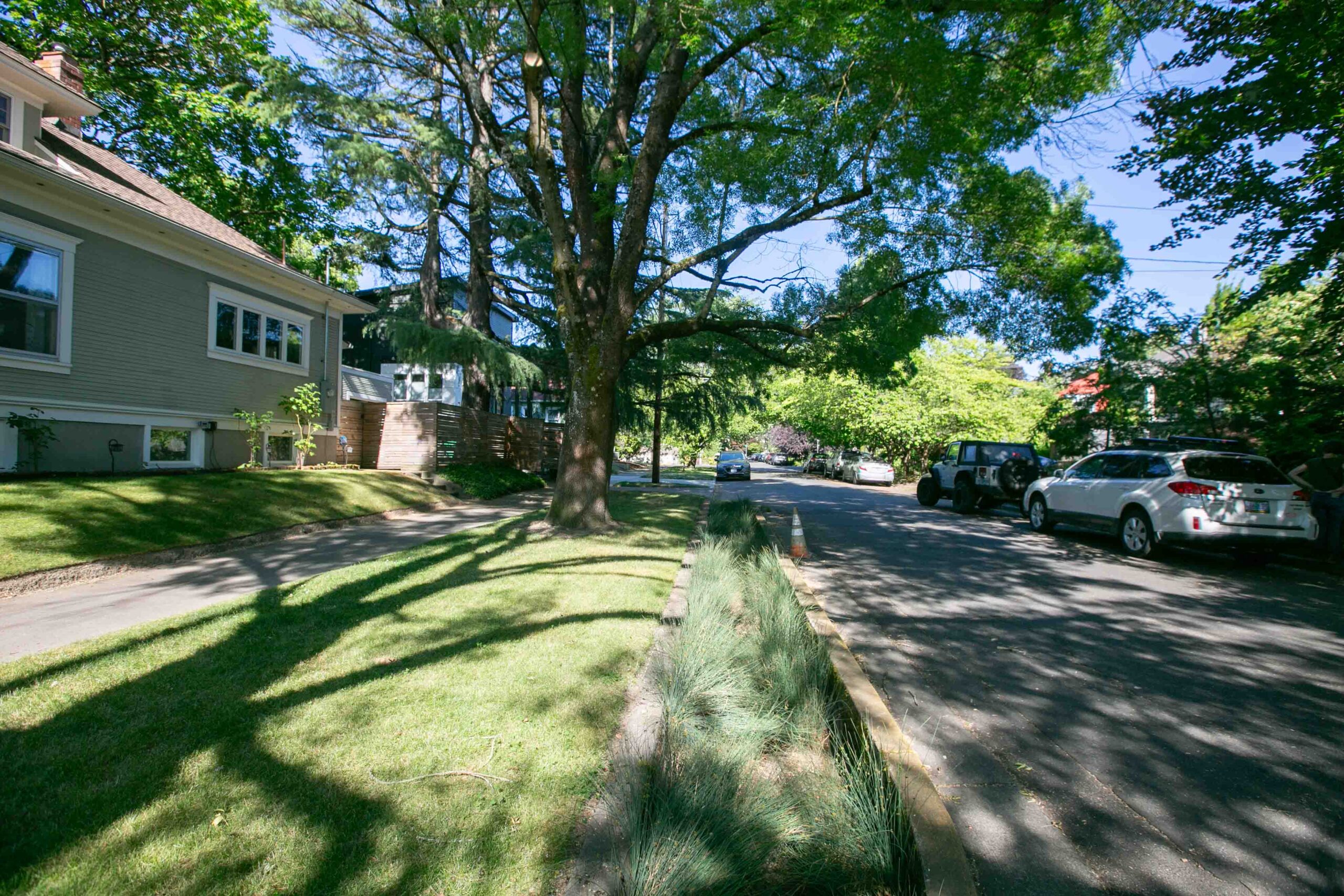
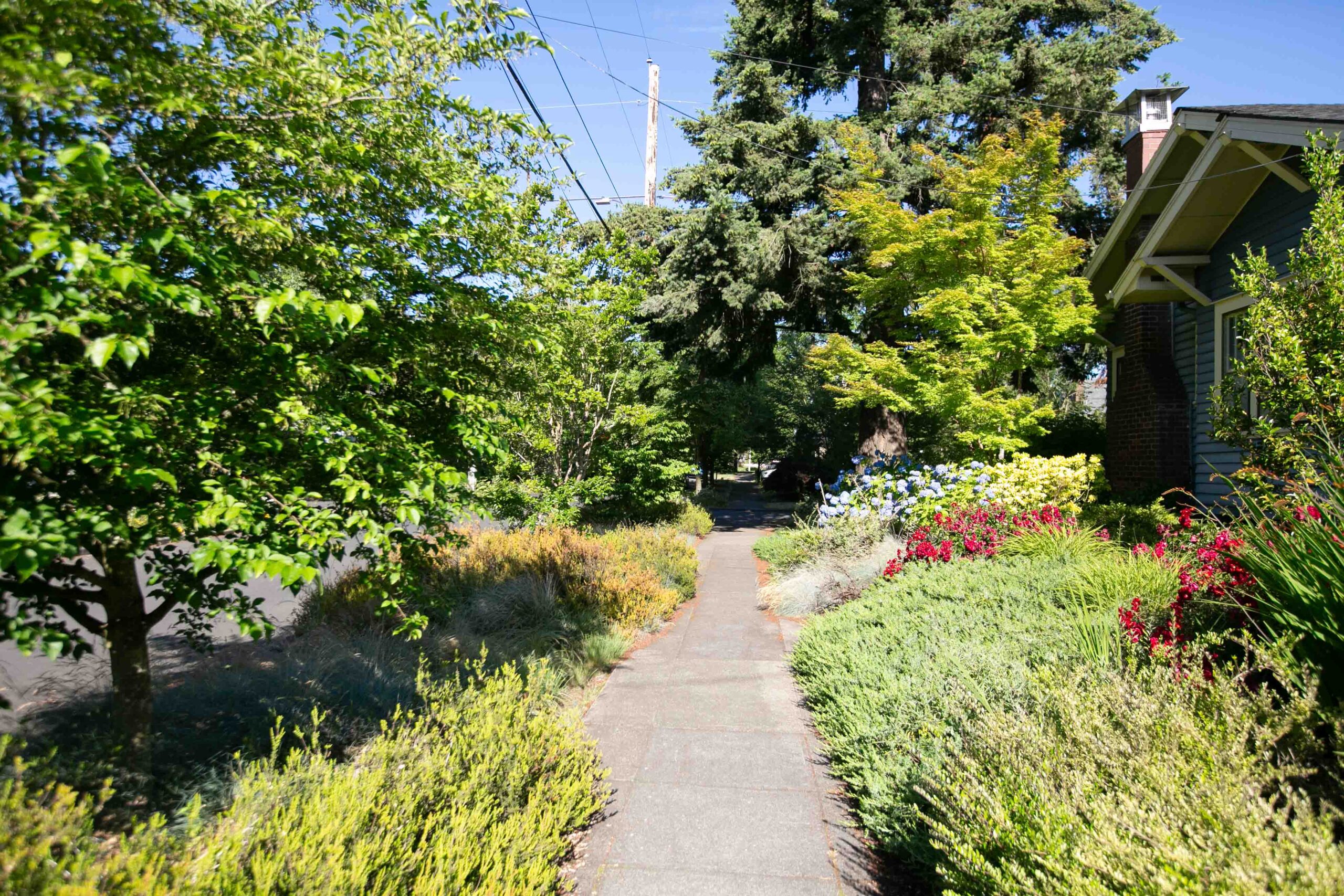
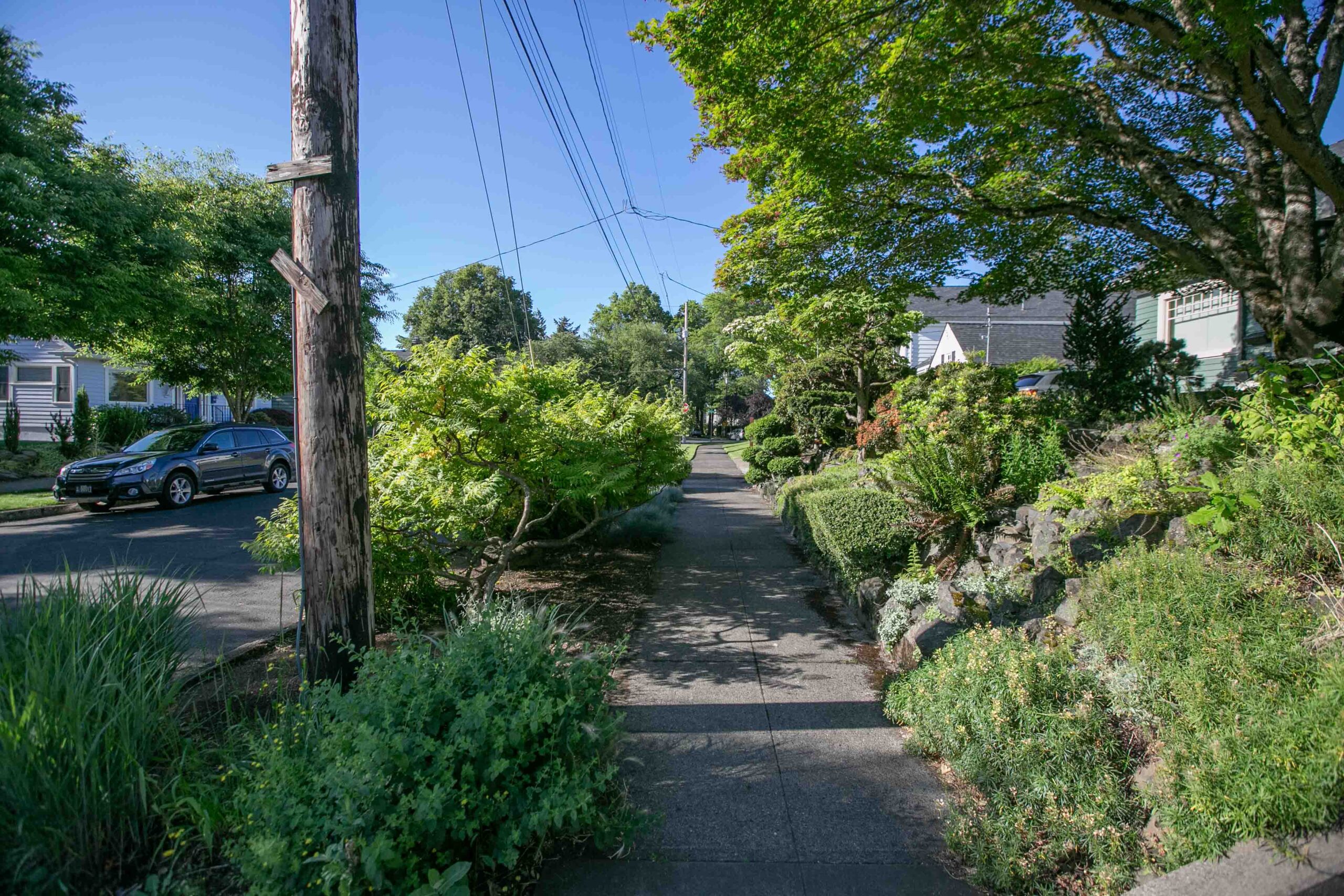
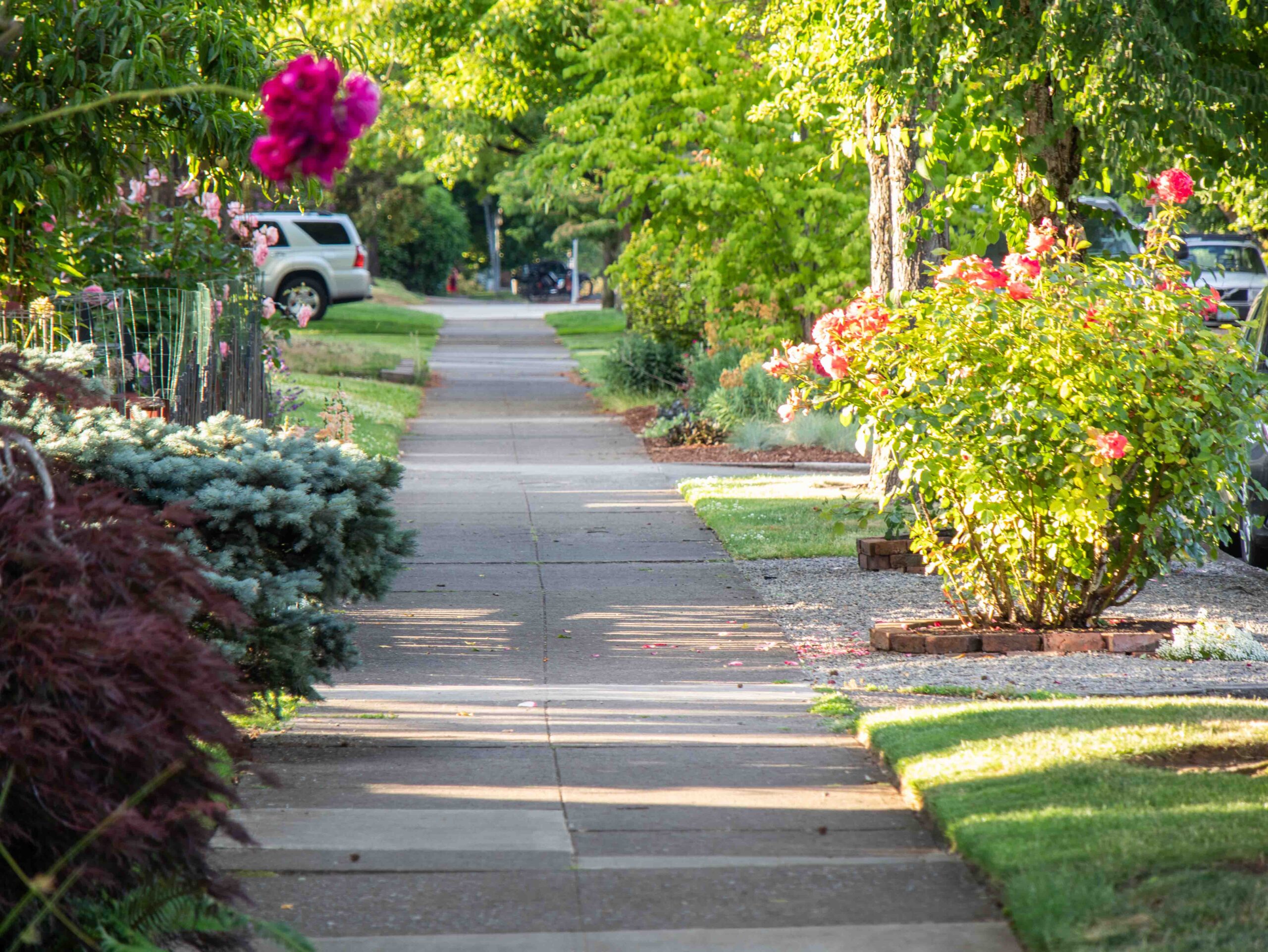
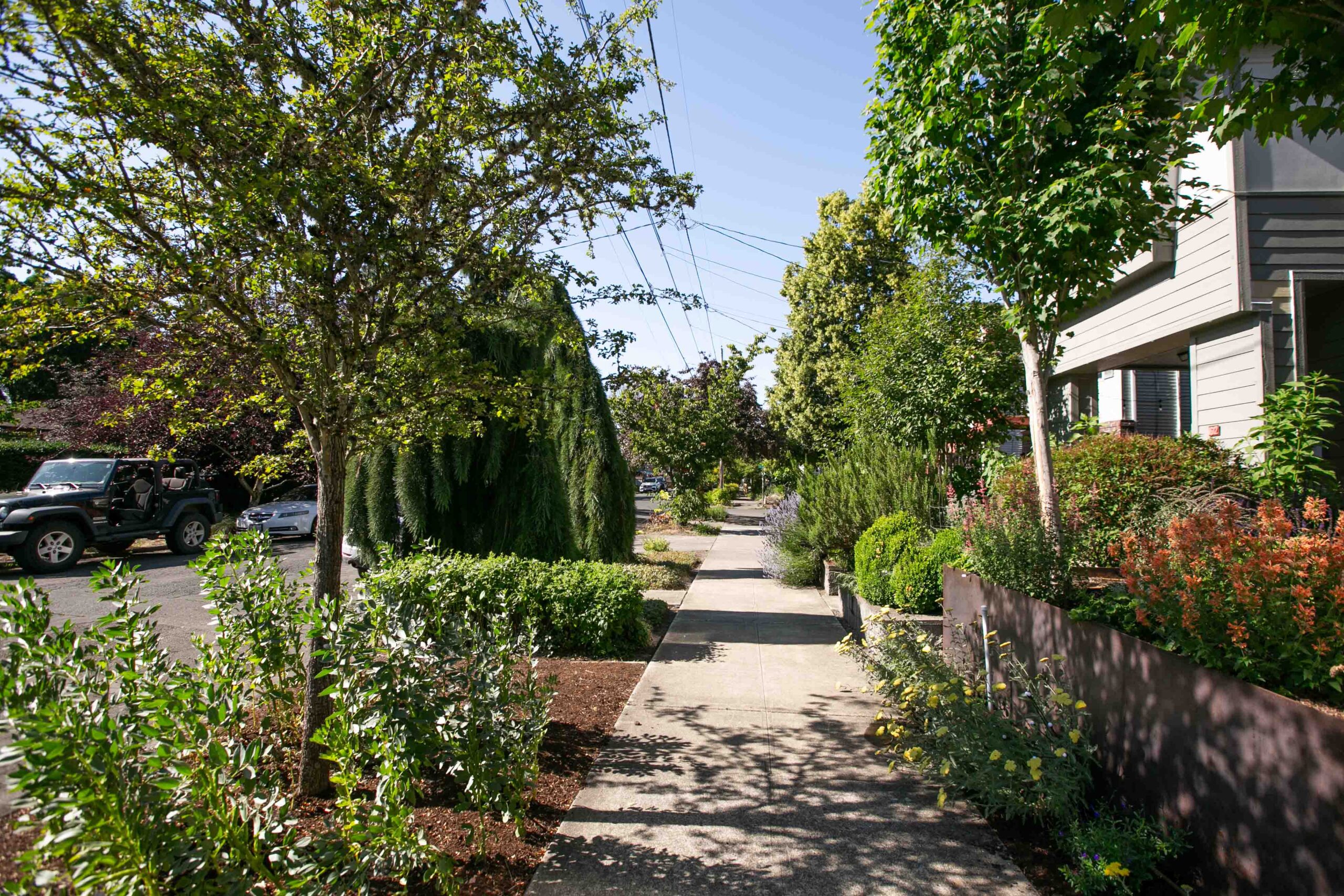
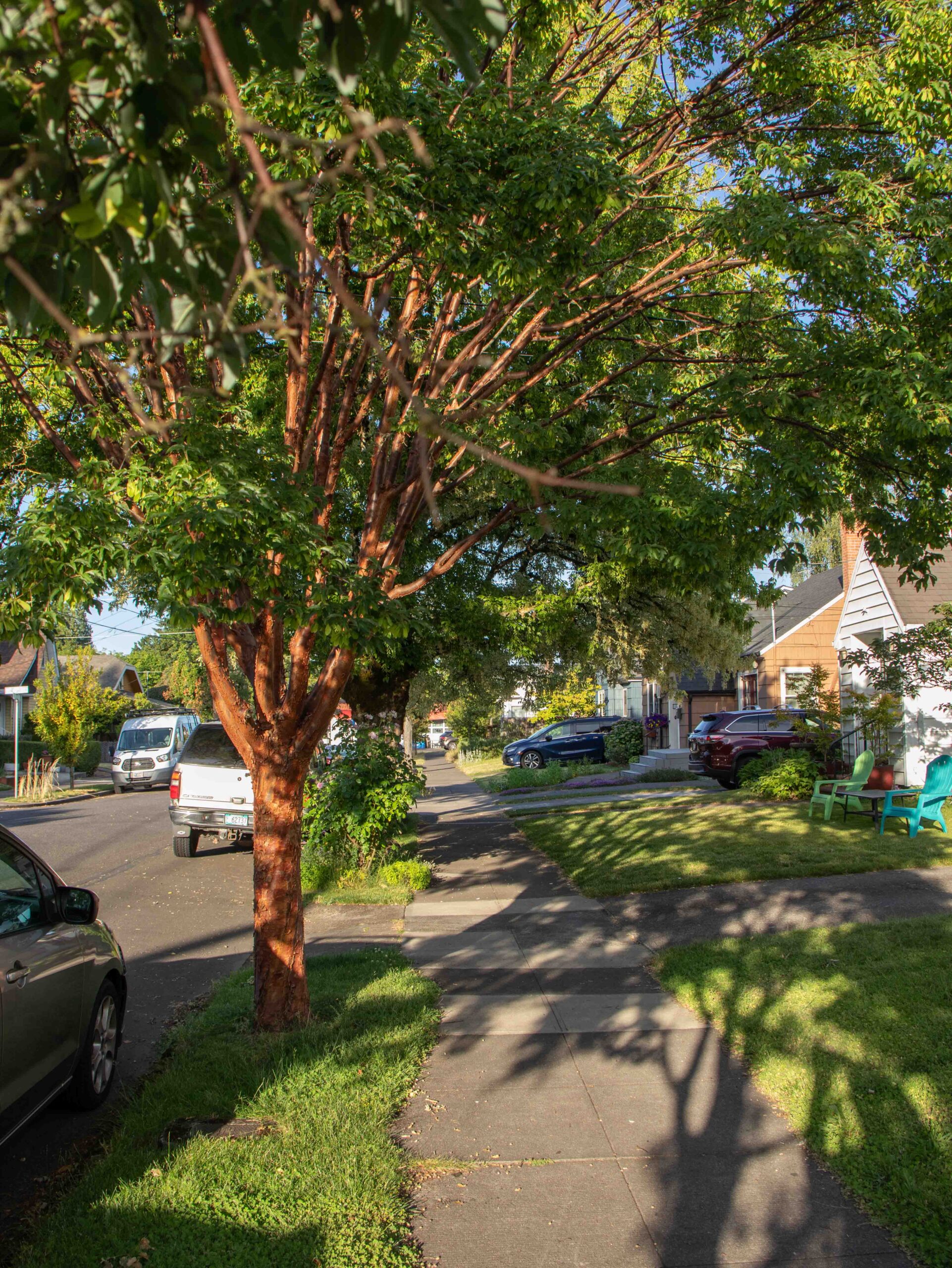
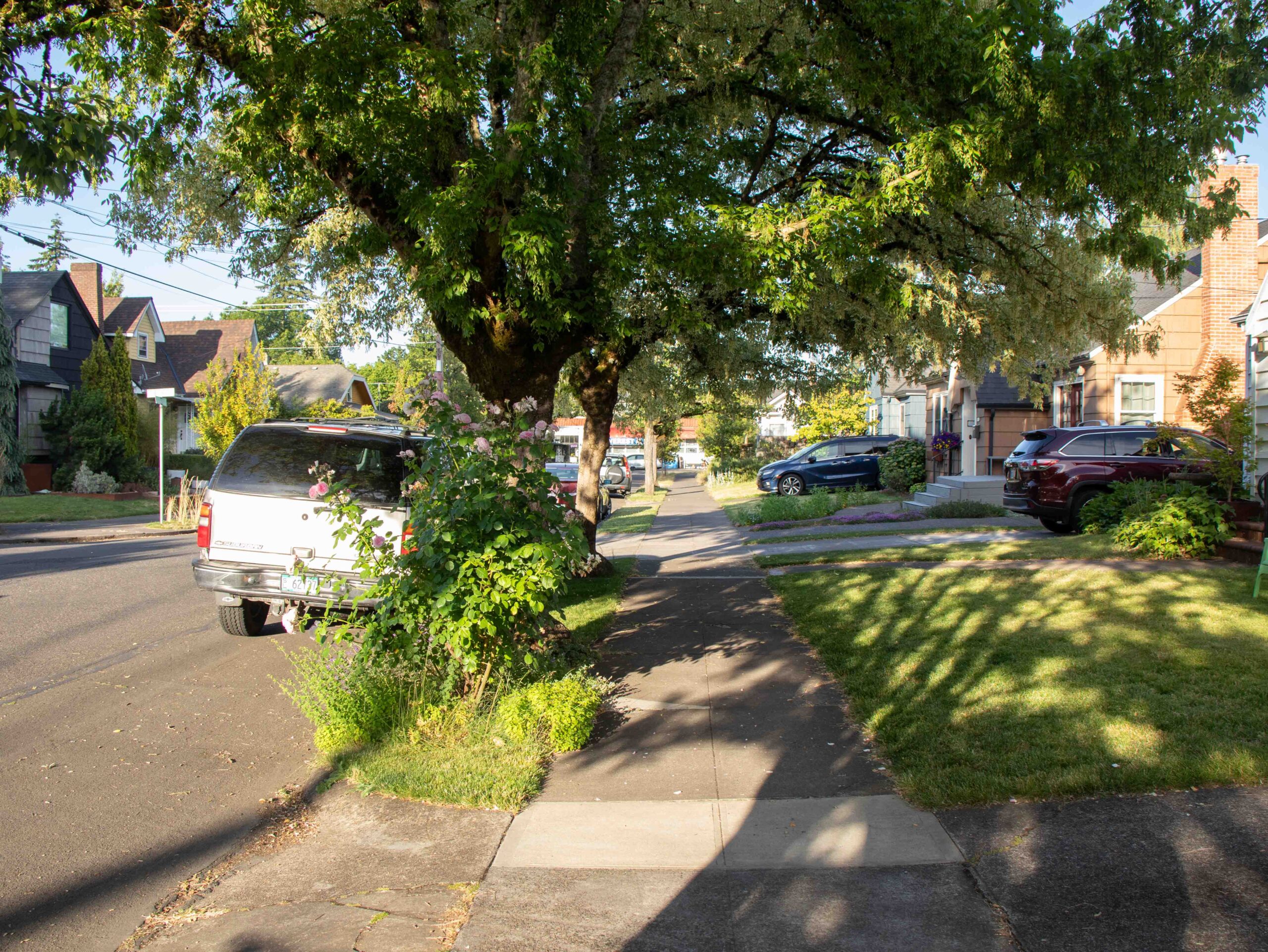
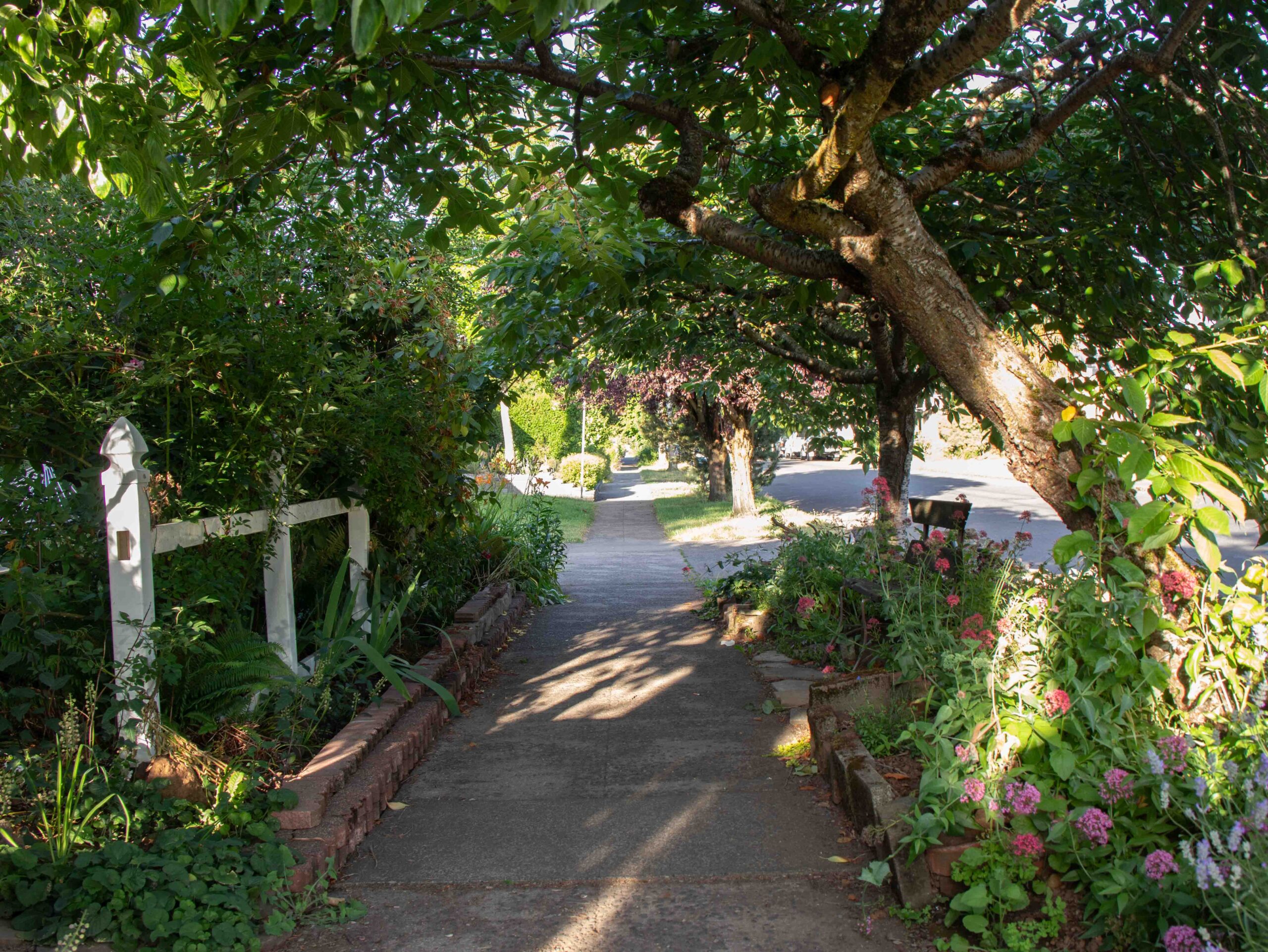
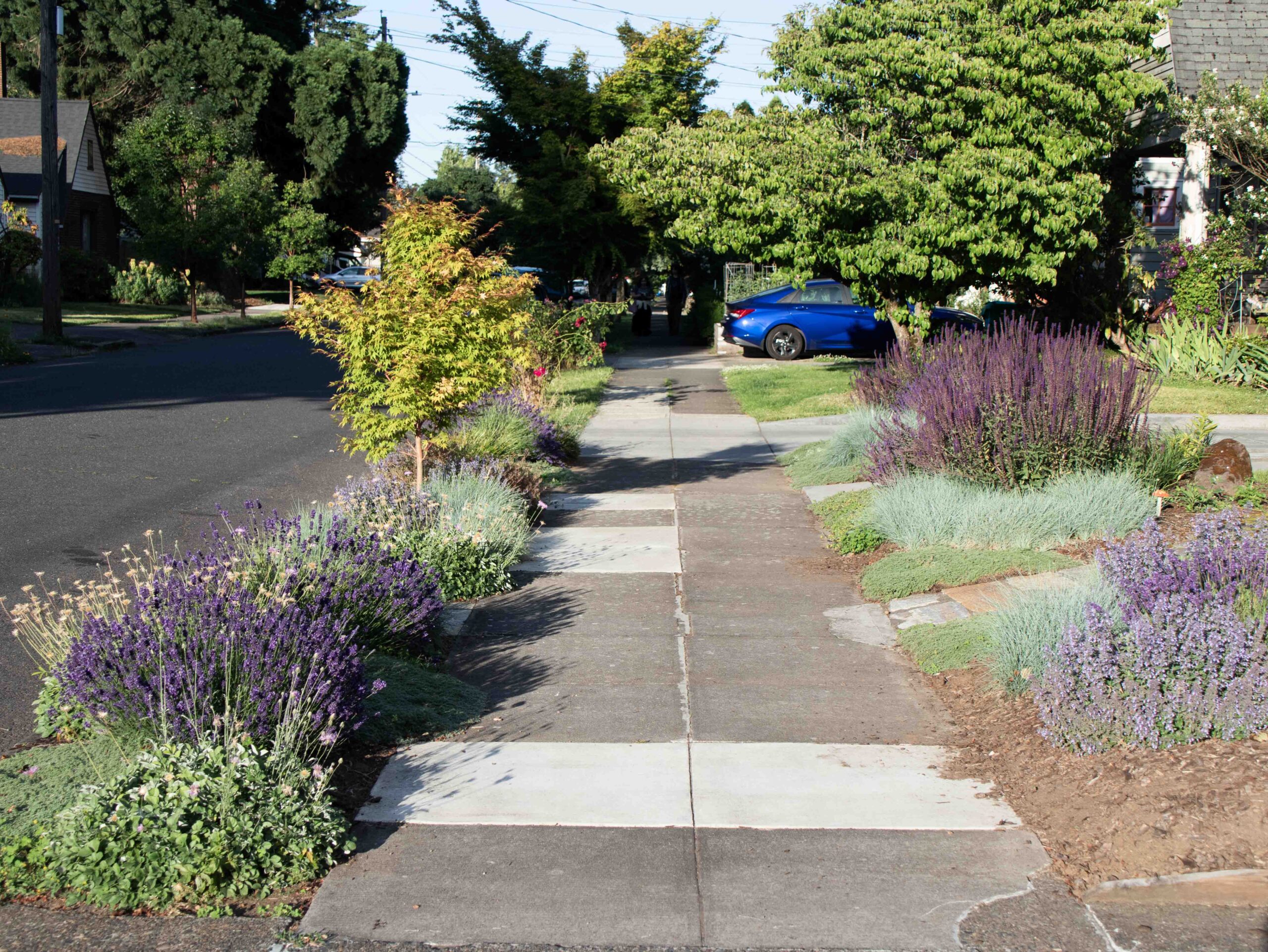
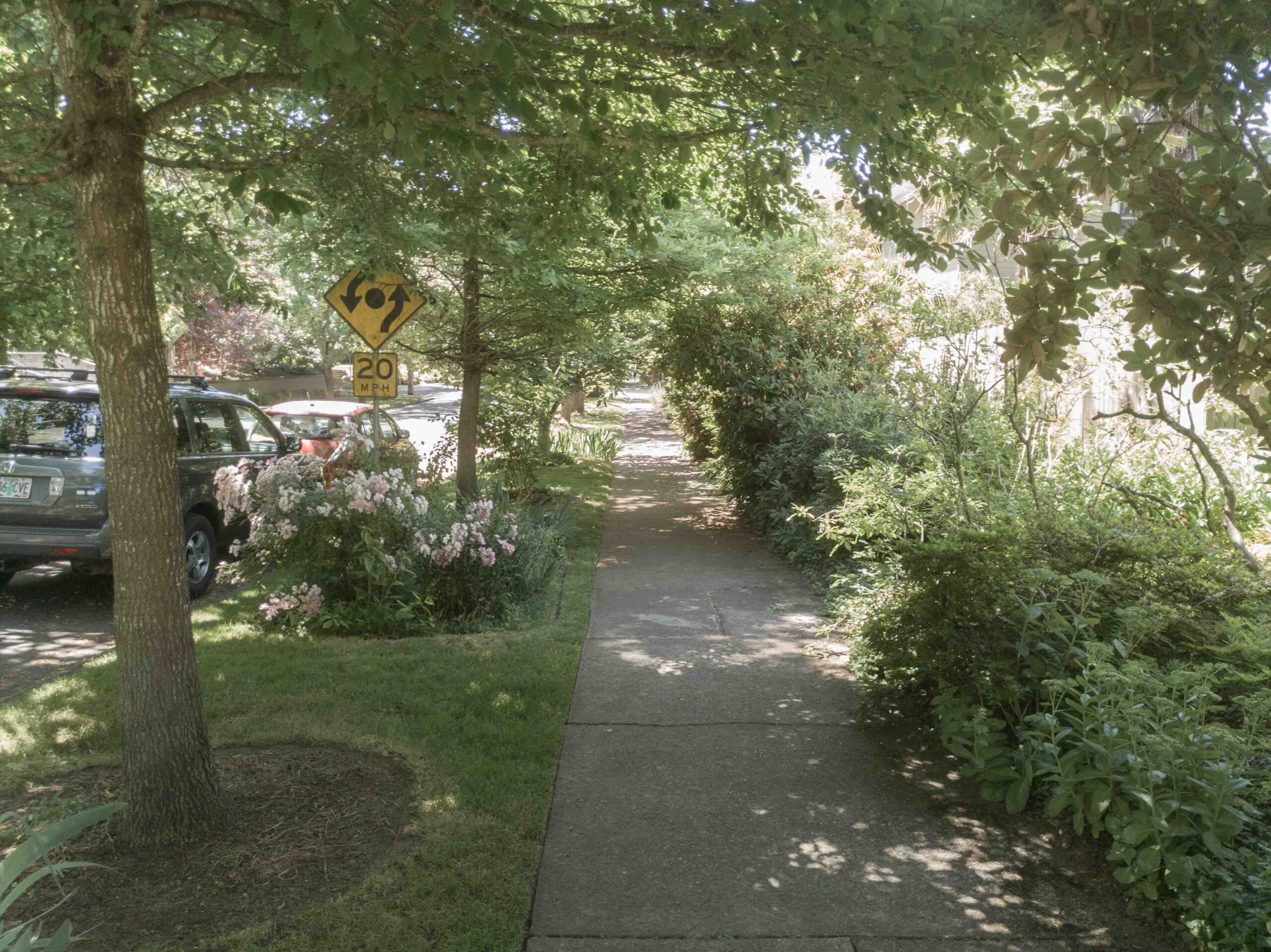
Before arriving in Portland, we had read different documentations about the project. At this stage, it was difficult to differentiate between what was communication and what was actually done on the ground. We put down our suitcases during a June evening and it was not until the next morning that we discovered our close environment. We then said to ourselves that we should inquire about the location of these works. That she was not our surprise when we discovered that our entire street was a green street, then the next street, and so on. We had the feeling in some neighborhoods to cross a mosaic of gardens. During our stay, the weather was rather hot and dry; we could not witness the operation of the systems, however, we were able to test the effect of temperature regulation during a high heat episode. The thermometer rose several days in a row to 39°C. The presence of trees and vegetation accompanying all the green street structures really fulfilled its role as regulator. One could walk in the streets without feeling the overwhelming heat of the sun.

Green street Portland
In terms of effectiveness, the results are convincing: see a study published by the Quebec Ministry of Municipal Affairs and Housing dated 2012. As a reminder, here are the project’s objectives:
– reduce the volume of rainwater runoff in the sewer system; -reduce the pollution of water absorbed by the groundwater;
-reduce pollution of rivers and streams caused by the discharge of rainwater
-reduce the frequency of flooding episodes in the streets
– reduce the costs associated with building new sewer systems. And what has been achieved: around 3,000 green streets have been built or renovated since 2003. Here are some results, based on 2012 data:
– reduction of the peak flood over 25 years: 90% on average
– retention volume of combined sewer overflows: 71%. Credit: City of Portland, Bureau of Environmental Services 4 BENEFITS (SOCIAL, ENVIRONMENTAL AND ECONOMIC)
-Reduction in the discharge of polluted stormwater into the Portland River System.
-Creation of linear parks constituting safe traffic areas for pedestrians and the cyclists.
-Increase in the area of green spaces urban. -Improvement of air quality and reduction heat islands.
– General beautification of the city and improvement of the quality of life of the citizens.
– Reduction of costs related to upgrading of the City’s sewer network. For example, the costs of replacement and renovation the sewer network of the territory covered by the project Tabor to the River were estimated at US$144 million. The adoption of a mixed approach combining traditional infrastructure and green infrastructure reduced these costs by US$81 million, not counting the multiple environmental and social benefits. The five integrated water management projects pluviales  that is to say, combining the replacement or repair of sewer pipes and the implementation of green streets or other green infrastructure  planned in the 2017-2018 budget have a positive cost-benefit ratio, according to five-year estimates. .


Green street
Green street
Green street
Perceptions integrations To assess the reception of the project within the population, a study was conducted by Portland State University under the direction of Everett Glyn fac Based on interviews with residents living near infrastructure created over periods 2005-2006, 2009-2010 and 2012.
The questions were about:
– knowledge and understanding of the role of works
– their willingness to participate in the interview
– the overall acceptance of the device What emerges from this study is that in general the opinion is rather positive towards the program. In the perceived benefits, were noted the reduction of risks of flooding, improvement of water quality, and the creation of green spaces.
On the side of the disadvantages, it is the maintenance deemed insufficient (tall plants, neglected aspects, waste), the choice of certain plants deemed unaesthetic, dangerous or attracting insects and mosquitoes.
Finally some criticisms about the loss of parking but quite a minority. Regarding the meaning and understanding of the action, many residents are unaware of the real role of the works and doubt their effectiveness.
On the other hand, when the interrogated people receive an explanation of how it works, acceptance is immediately facilitated.
Some of the interviewees wish to participate in the interview (preparation, weeding) when others believe that it is up to the city. Overall this study tells us that the acceptance of projects depends on local criteria, such as the choice of plants, cleanliness and regular monitoring of works. Regarding acceptance, projects are better welcomed when the inhabitants are integrated into the reflections. It results in a better understanding of roles and functions. The aesthetic approach also remains a very present argument. Overall, the Portland green street project is a success. Even if, as in many projects, there are improvement paths (which have already been taken since the reports were written) Another study confirms the overall good management of this city renaturation policy. This balance sheet is confirmed by another study conducted by Na’ama Schweitzer from Pomona College in Claremont, California .This thesis explores and compares sustainable stormwater management between Portland (OR) and Los Angles (CA). The objective was to understand why Portland is often cited as an example for conducting and carrying out this type of project. The study is based on the analysis of public policies and local regulations as well as on the analysis of concrete cases and finally on interviews conducted with municipal actors and researchers. The main results show that Portland is a pioneer city in terms of ‘green street’ and ‘bioswales’.


Green street
Green street
Green street
Green street

The strengths of the city:

– strong integration of sustainable stormwater management into urban planning

– a structured program accompanied by scientific monitoring, citizen participation, and educational communication These well-anchored parameters allow for positive results in terms of reduced runoff, improved water quality and landscape integration.

On the other hand, Los Angeles faces more difficulties and must face major challenges related to massive urbanization and the aridity of the climate. It is also noted that pilot projects are launched, but lack of coherence. The lack of continuity in public policies does nothing to help the success of these experiments. We stayed for a month in the city of Portland where we were able, on numerous occasions, to stroll through the streets of the city. The conclusions of these studies were also explained to us by Ivy Dunlap and Kate Hibshman, two landscape architects working for the city.

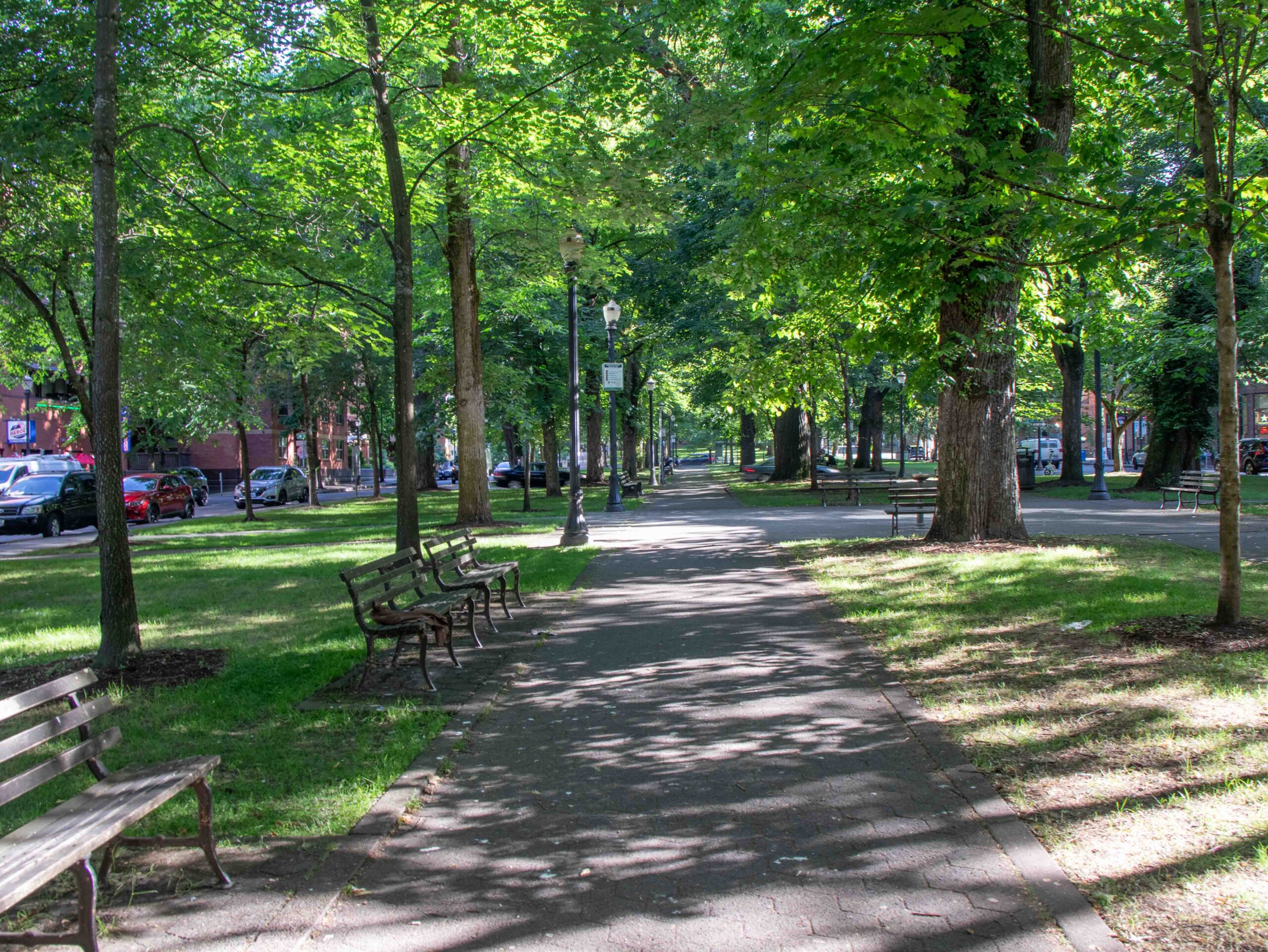
Depending on the neighborhoods, contexts, and types of streets, we observed the different layouts. It was quite easy to identify the spaces where citizens accepted and integrated the works. The care given to plants or the customization of works was to demonstrate it. The soil and climate of the region make things a bit easier, a walk in the streets of Portland offers a real change of scenery. It should still be noted that these are the streets of the peripheral neighborhoods in the city center. The heart of the city is not unpleasant, but the municipality faces another health issue (Fantanyl epidemic),

Today, many French and European cities have integrated this type of works into their stormwater management policies, in different proportions, but it is a beginning. We will have the opportunity to discuss it again in other articles.