After a 5 and a half hour drive from our base camp in Massachusetts, we ended up arriving in the Catskill Mountains, more precisely in the town of Liberty.
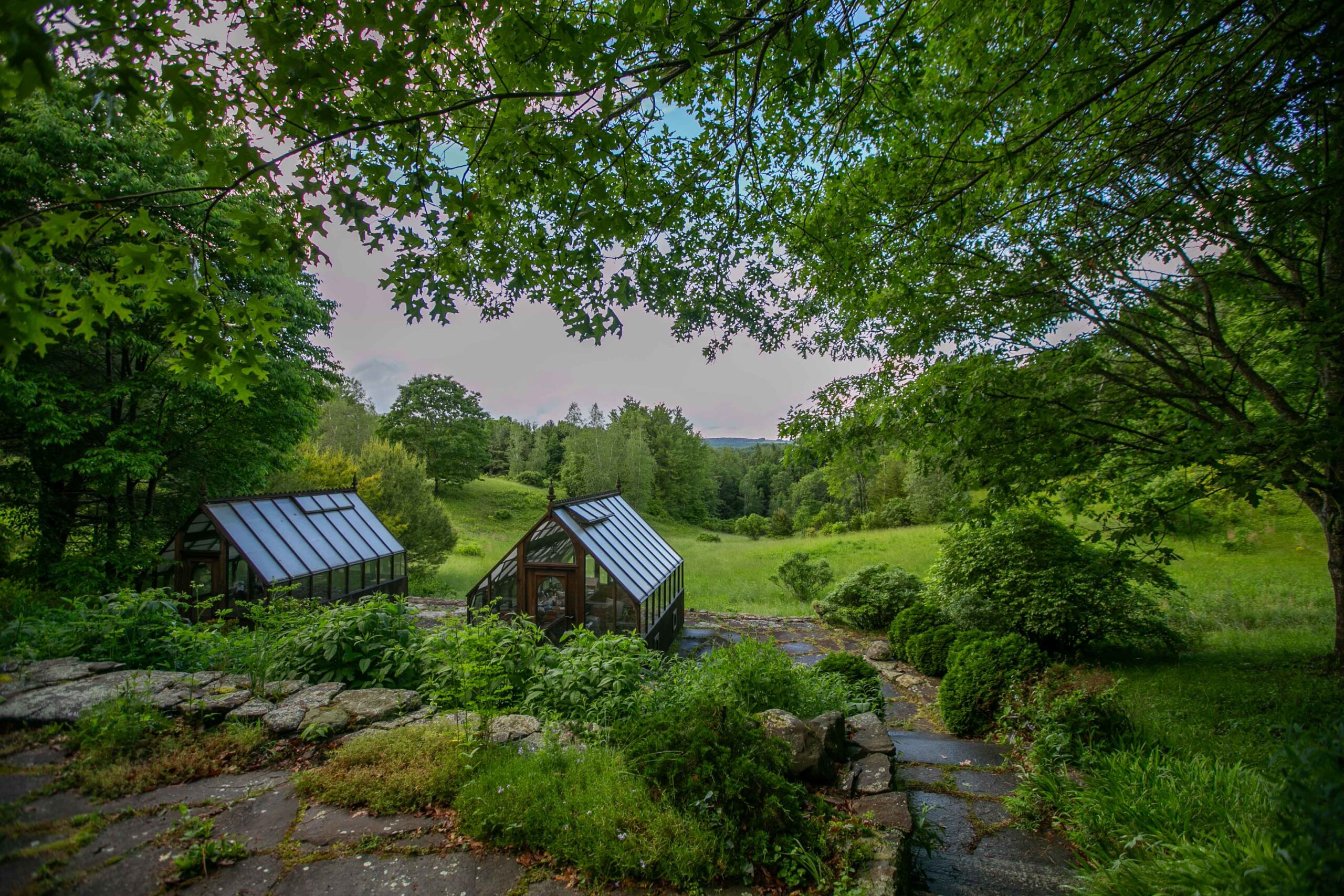
The Flying Trillium Garden is located just near the Neversink Reservoir, which supplies drinking water to New York City.
It was early June and a storm greeted us with a heavy shower. The visit started badly, then finally the clouds dried up, and we were able to get out of the car and go meet Carolyn Summers.
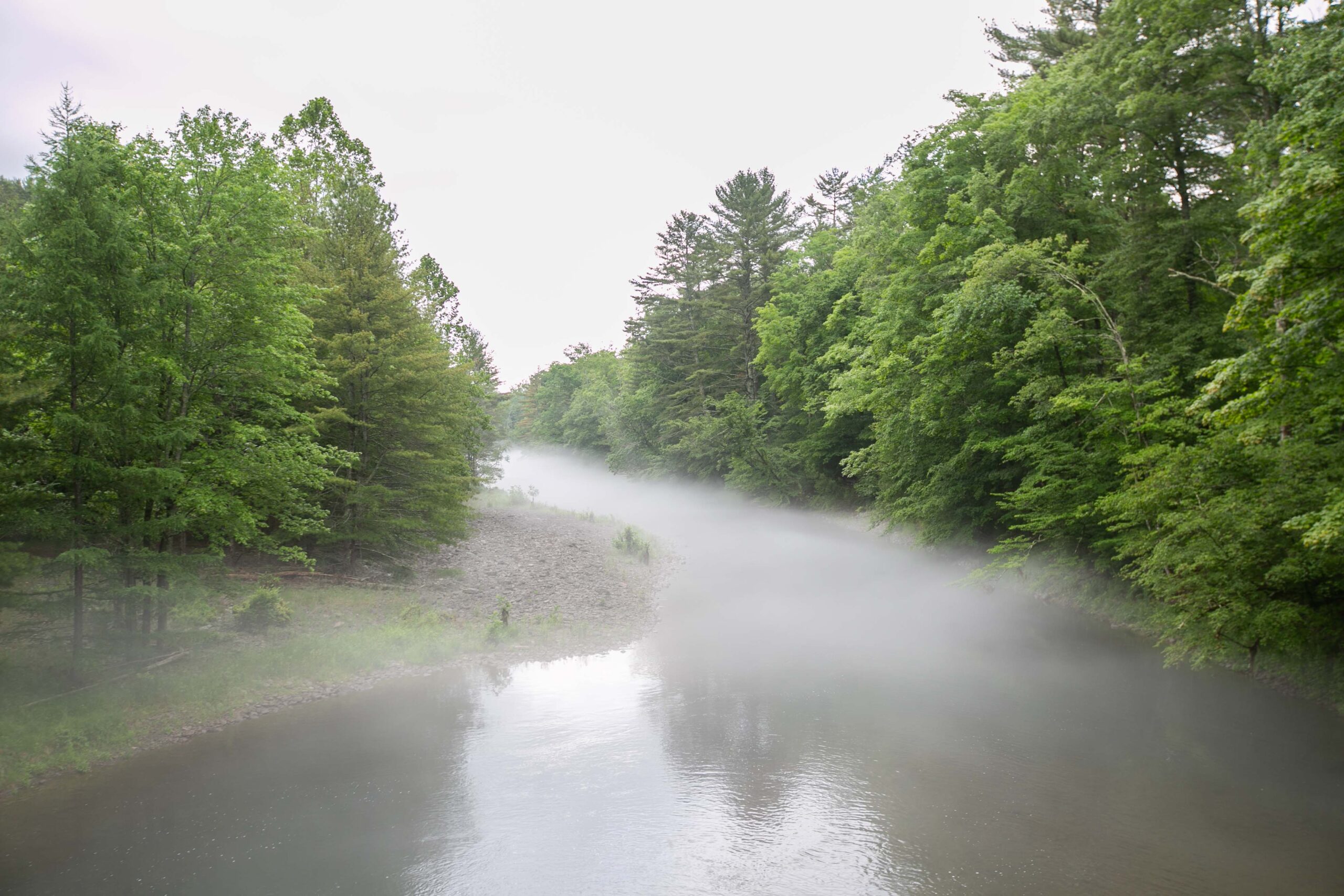
The contrast of temperature made the river smoke, thus creating a hushed atmosphere in the garden. Like most North Americans, Carolyn gave us a warm welcome and we took her step to start the visit of her garden.
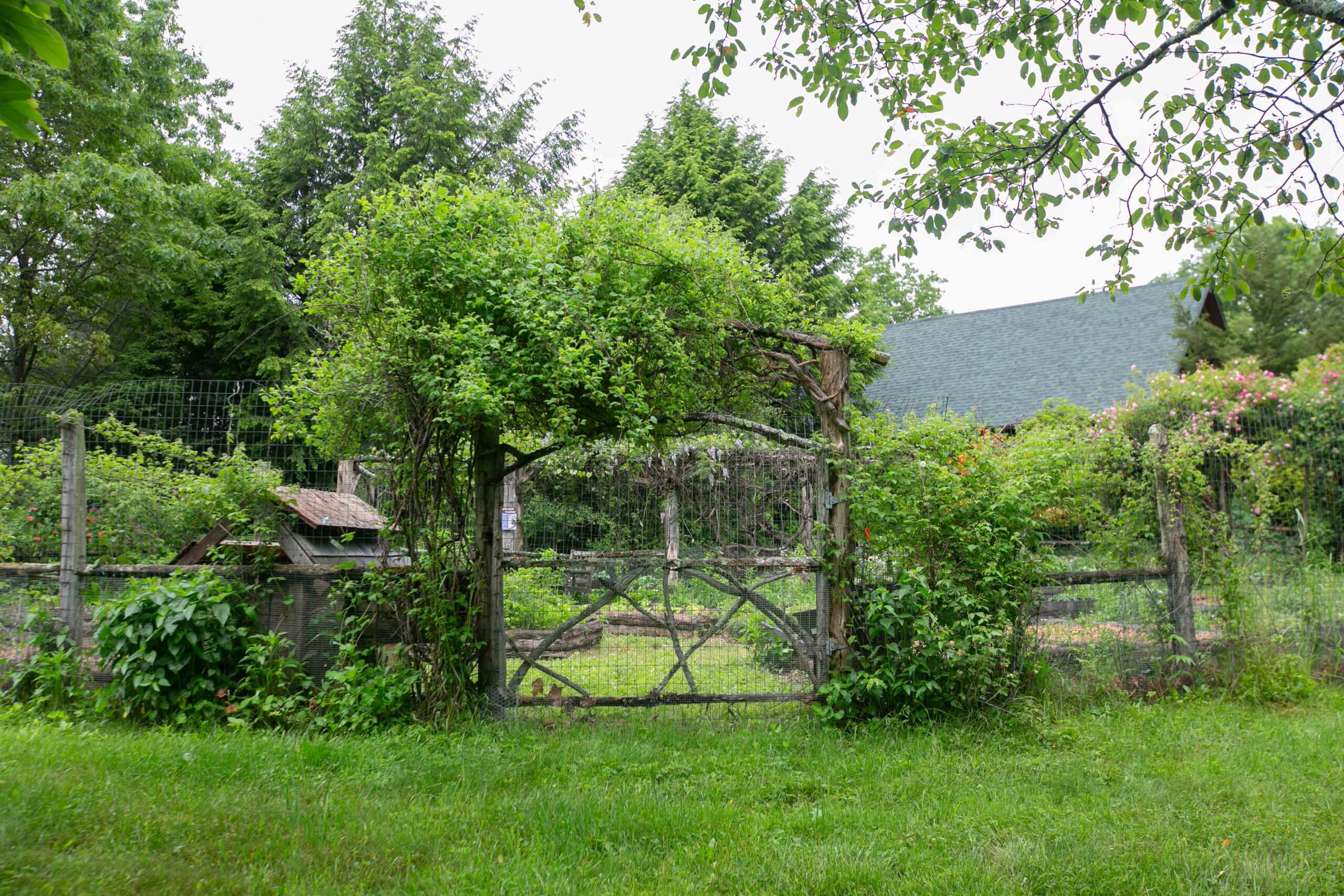
The first theme addressed was the protection of the garden against whitetail deer and fallow deer. True scourge for gardens and forests, the « deers » feed on everything that is tender and green.
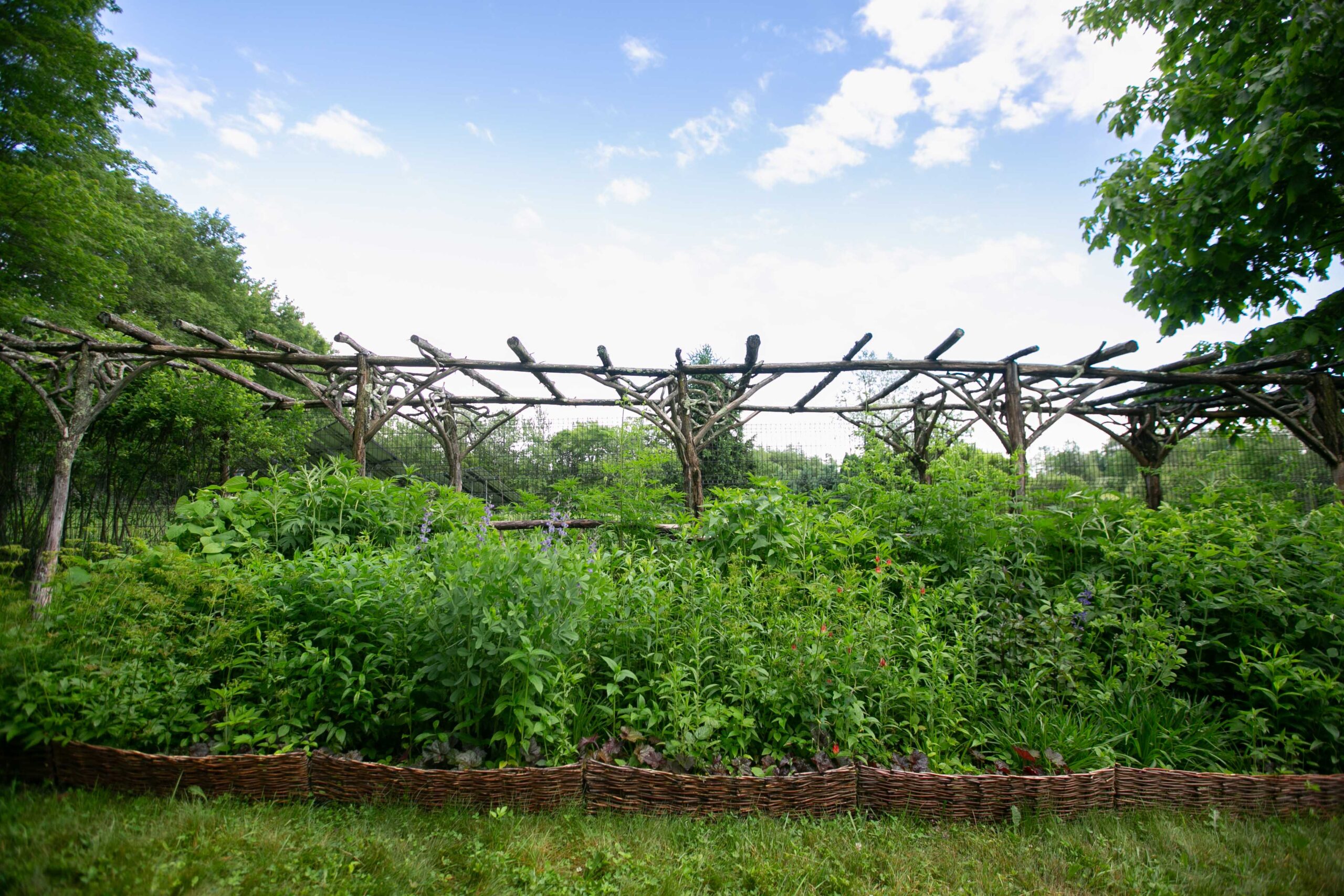
As much to tell you that when they enter a garden, few plants are spared. To avoid this massacre, Carolyn and her husband began by building a fence worthy of the name.
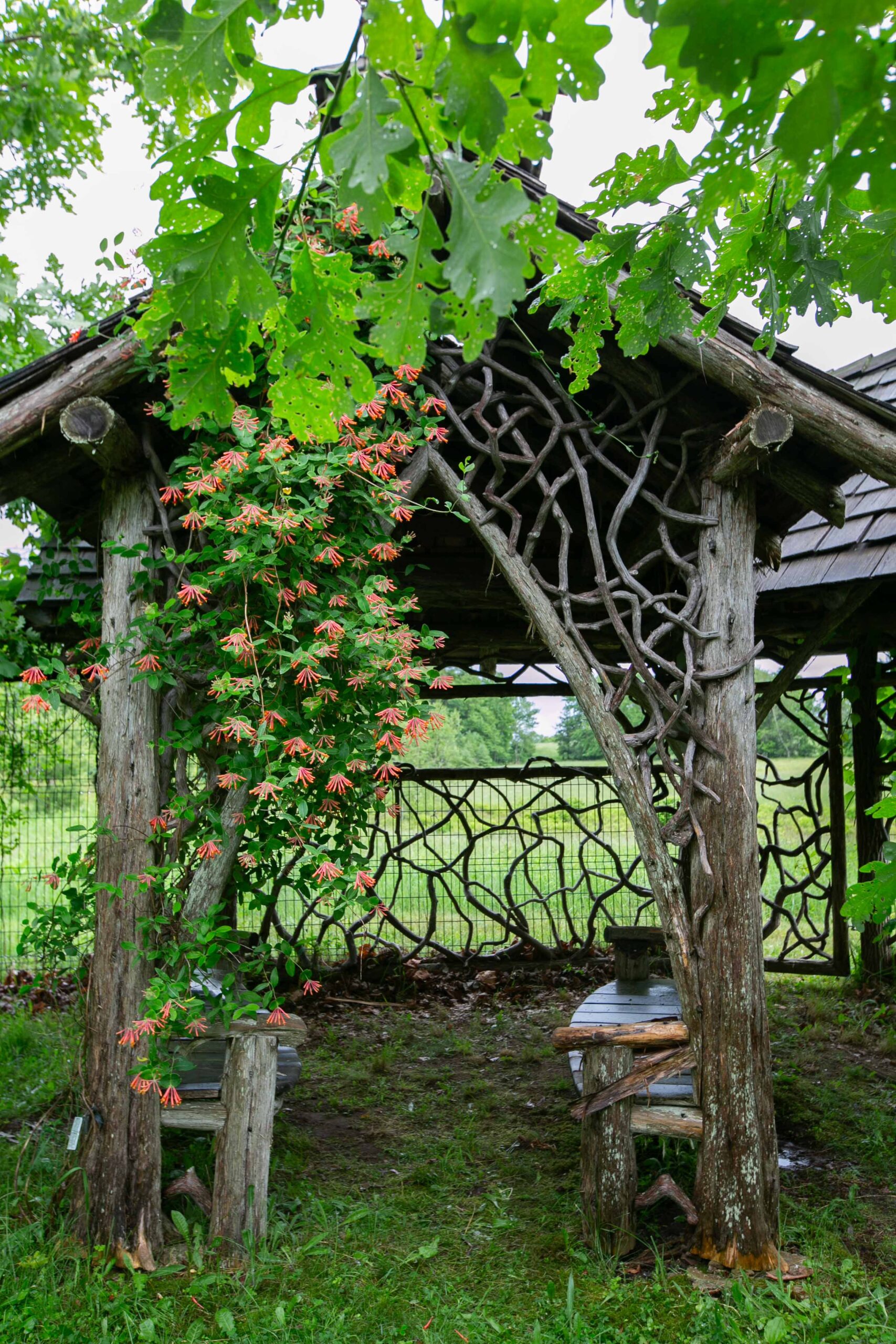
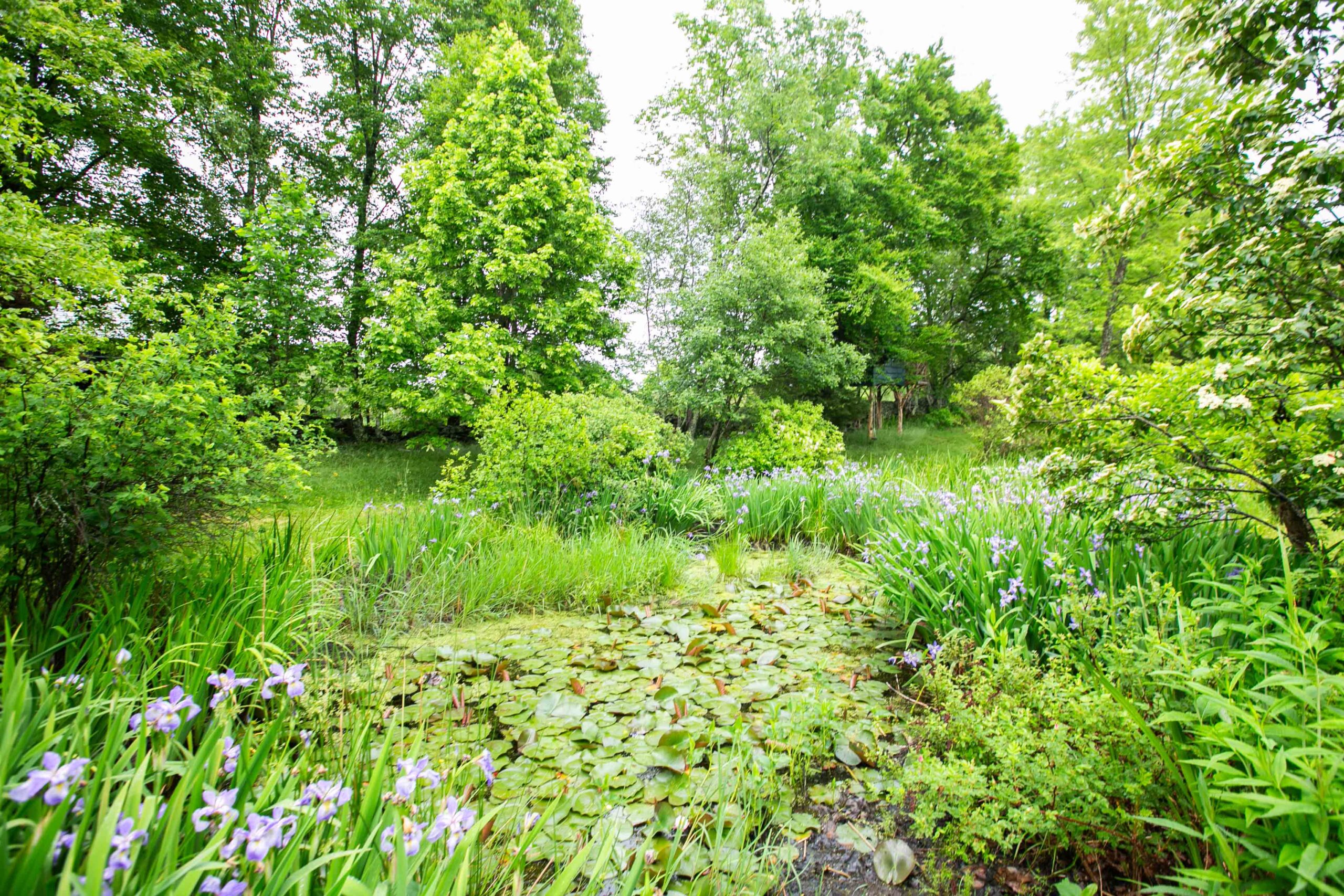
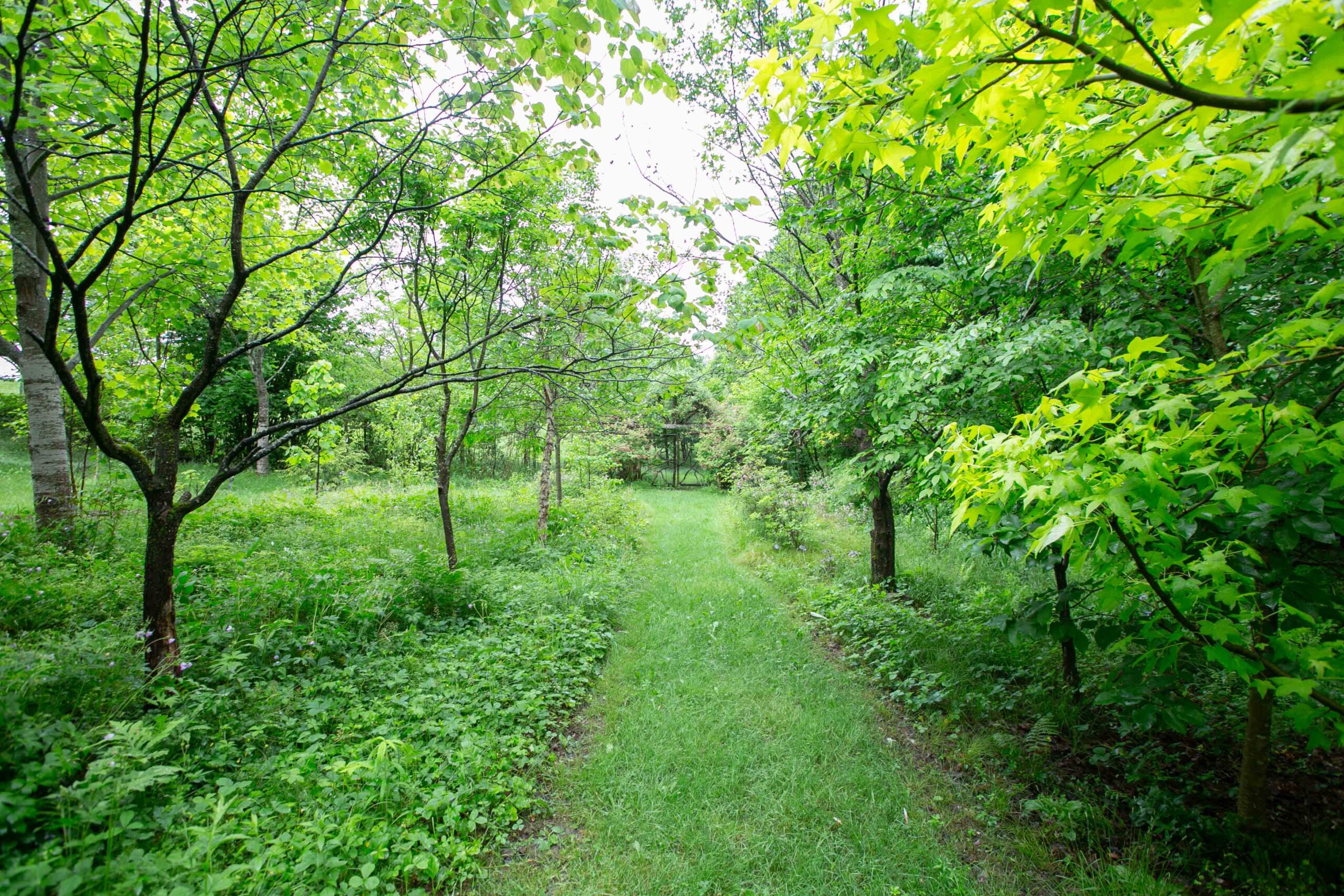
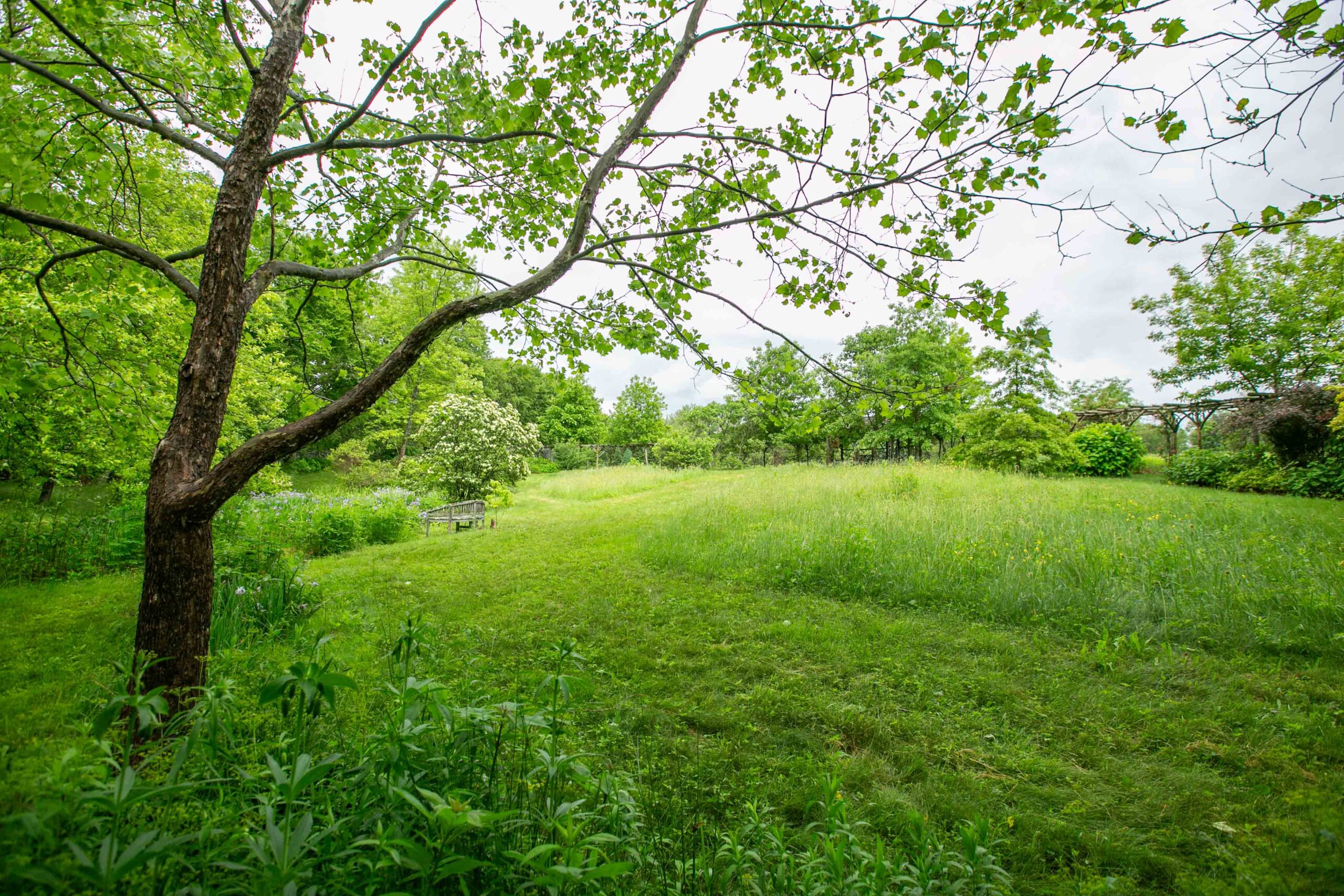
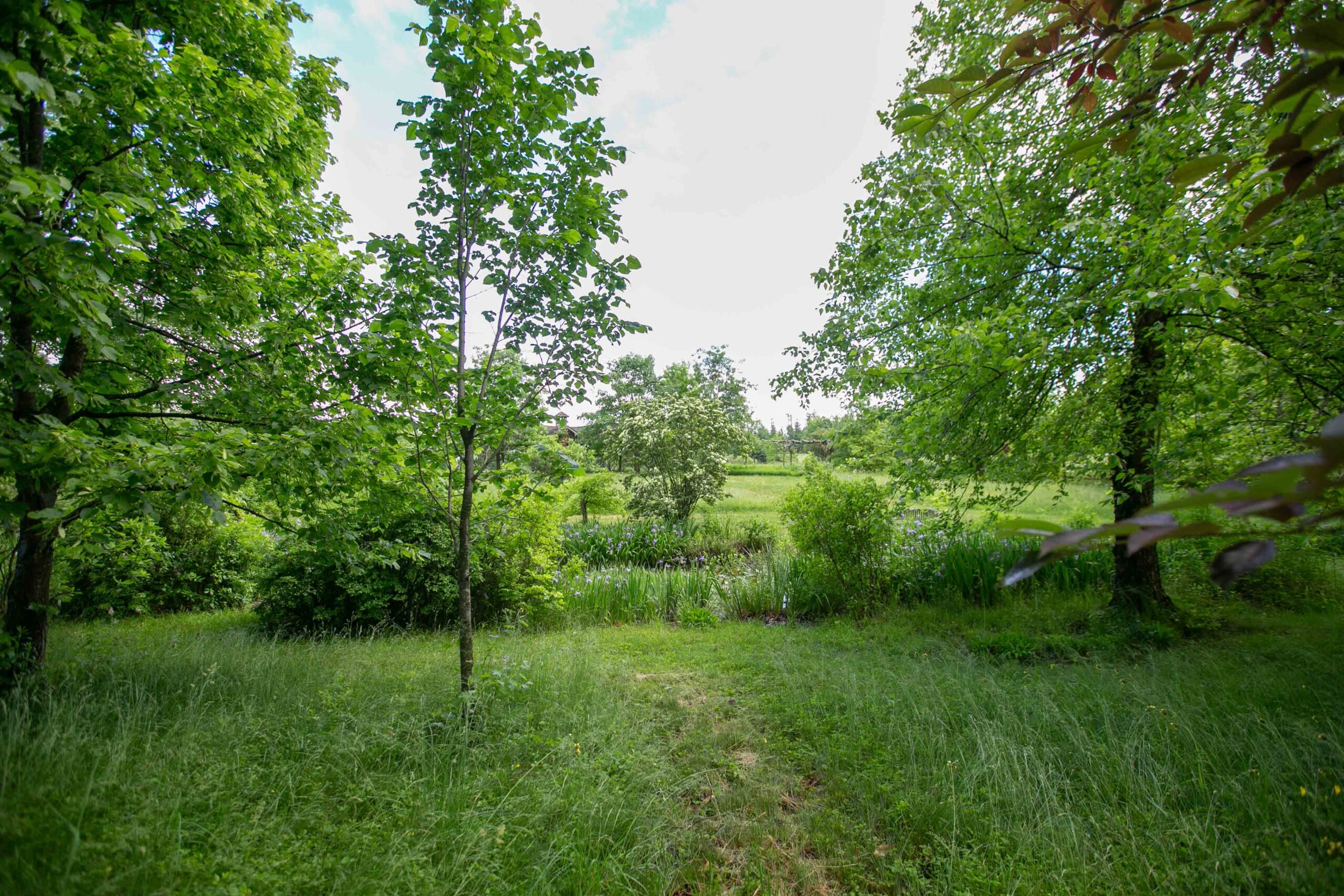
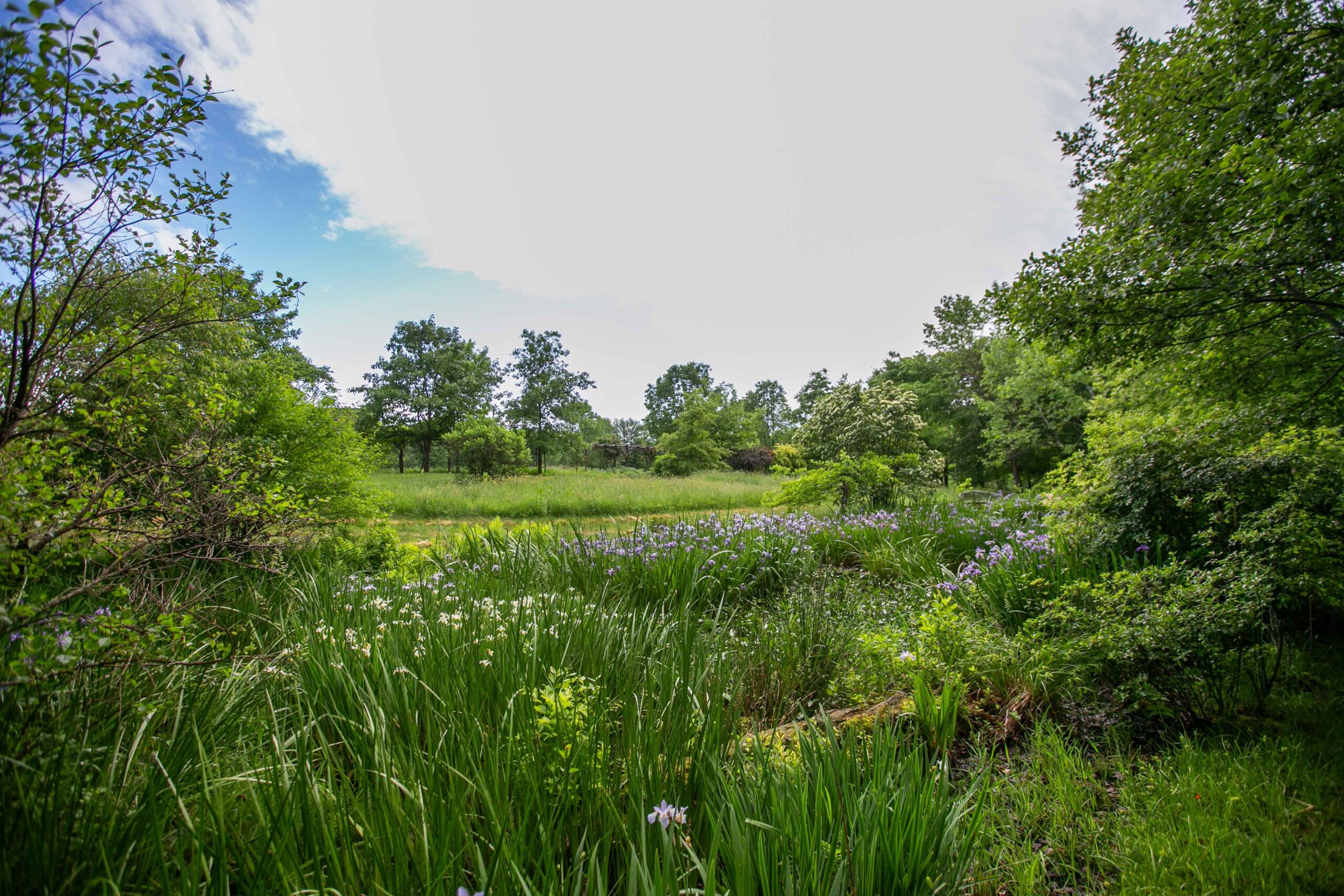
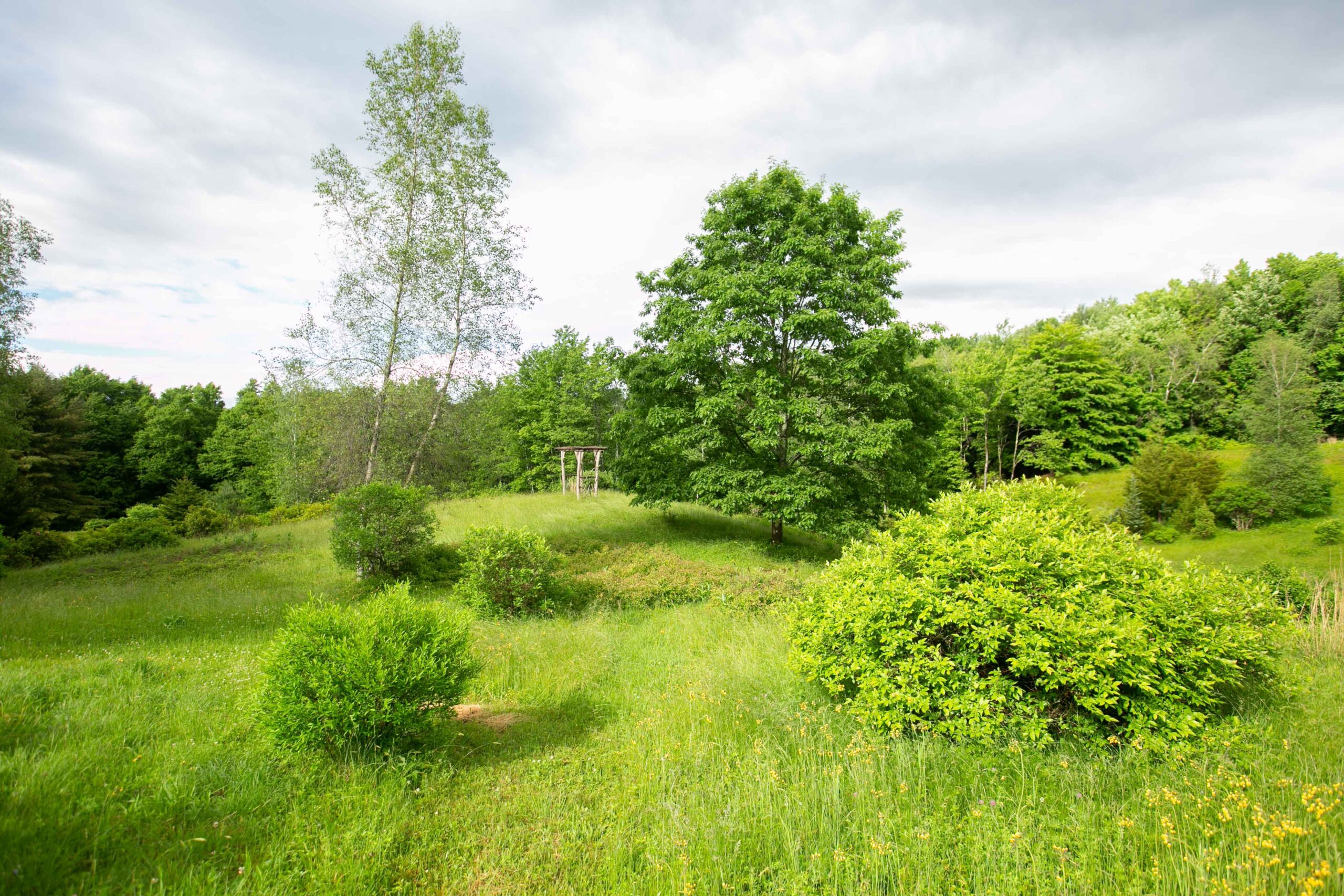
On a whole part of the fence is composed of a magnificent pergola, completed by a set of climbing plants (Bignona, Clematis…). By going a little deeper into the garden we passed a pond surrounded by Iris sp and covered with Nympheas. The next path was punctuated by young oak trees and massive ground cover. What is striking in this garden is that we see the hand of the designer in the arrangement of spaces and massifs, but one is far from suspecting that the compositions only use indigenous plants. It is all the more disturbing that as Europeans, a large part of our horticultural perennials happen to be native to North America.