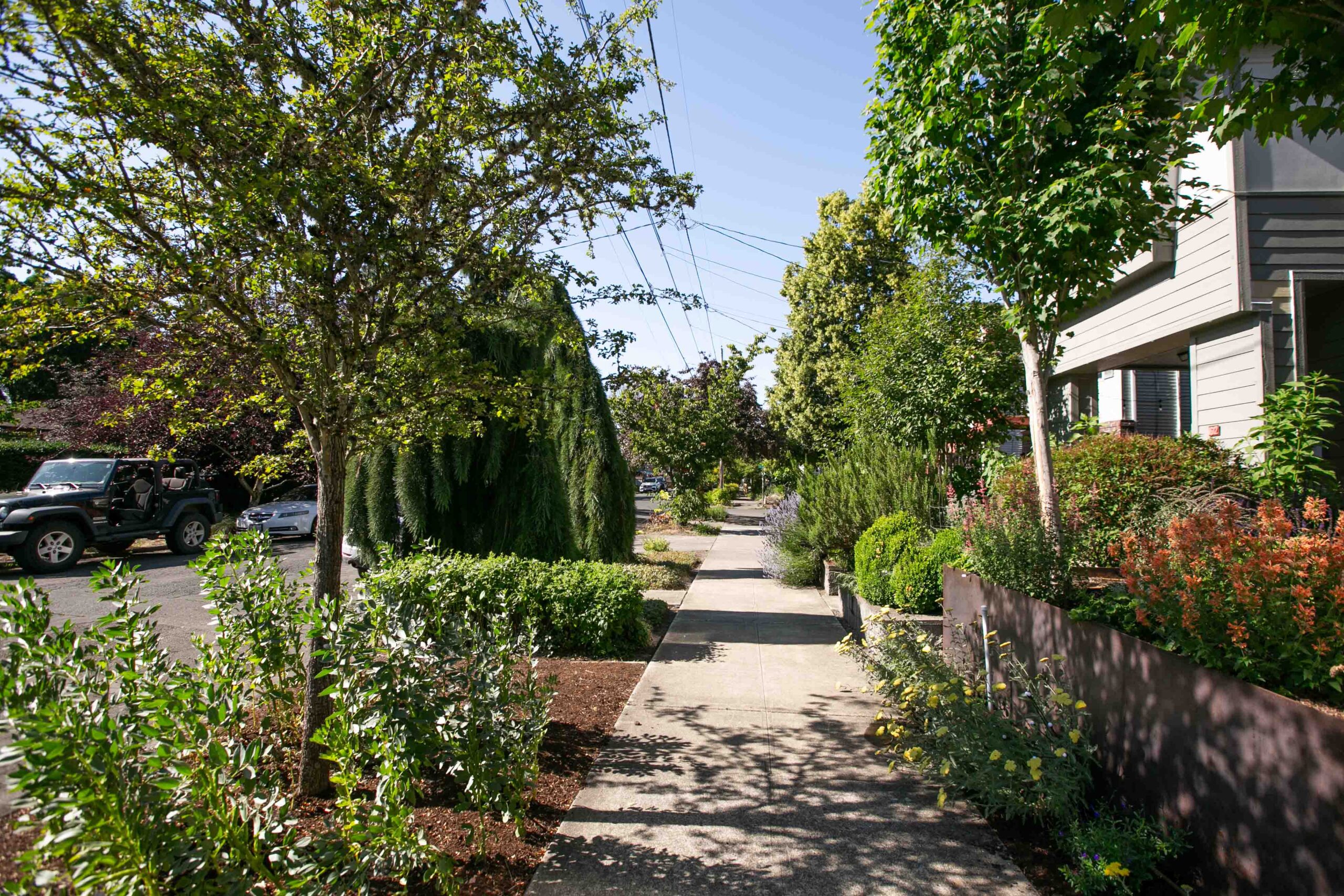
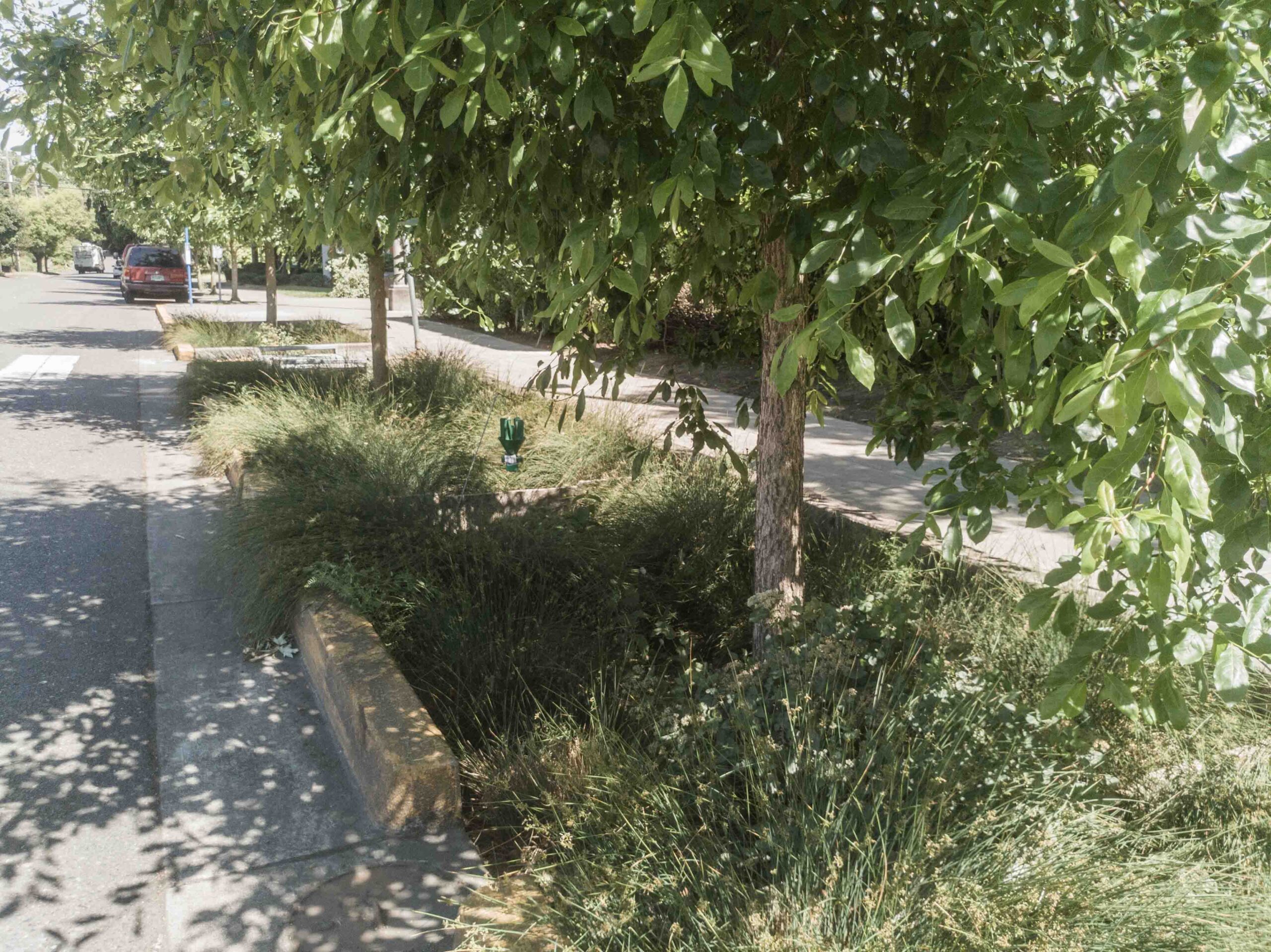
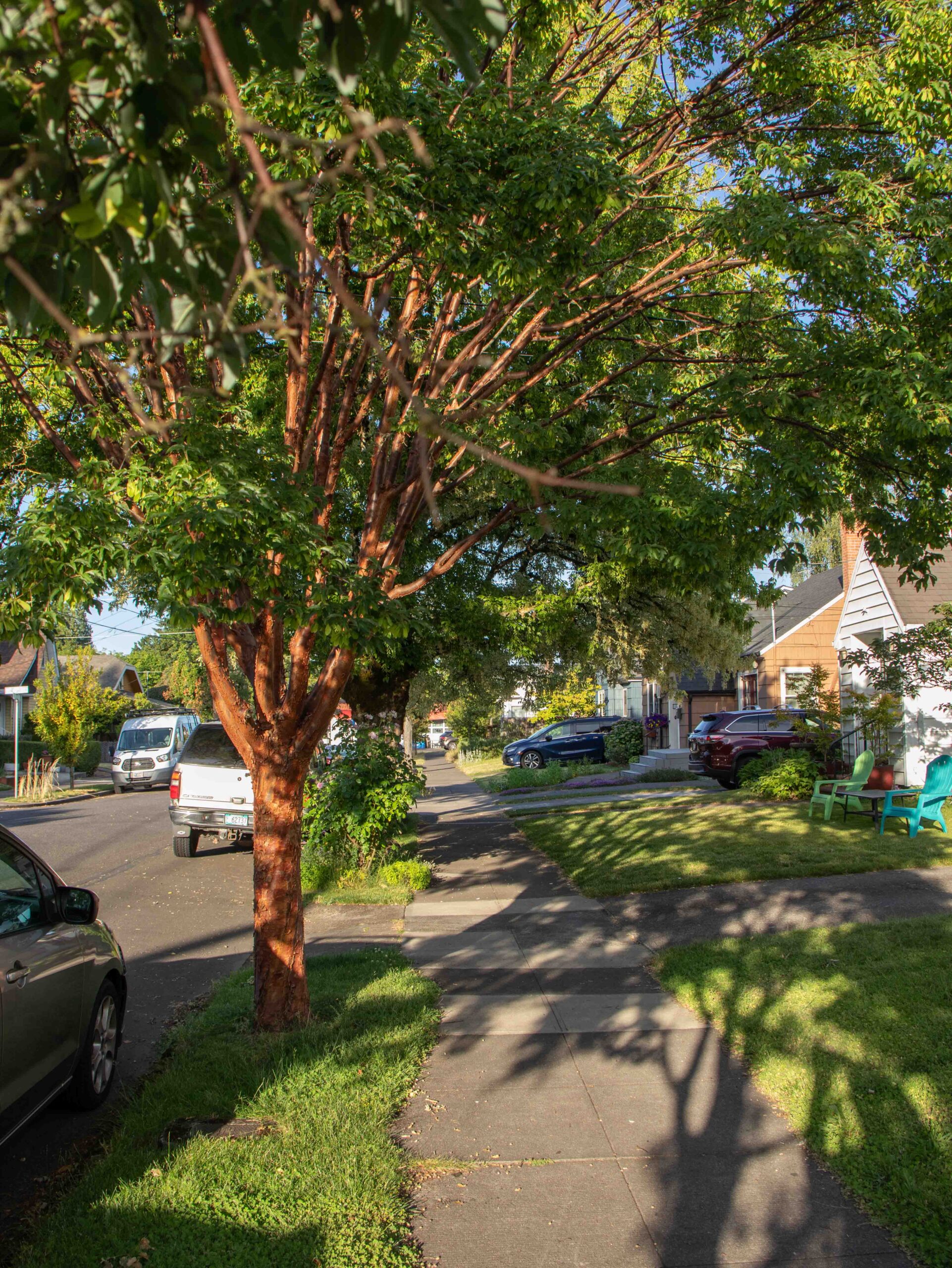
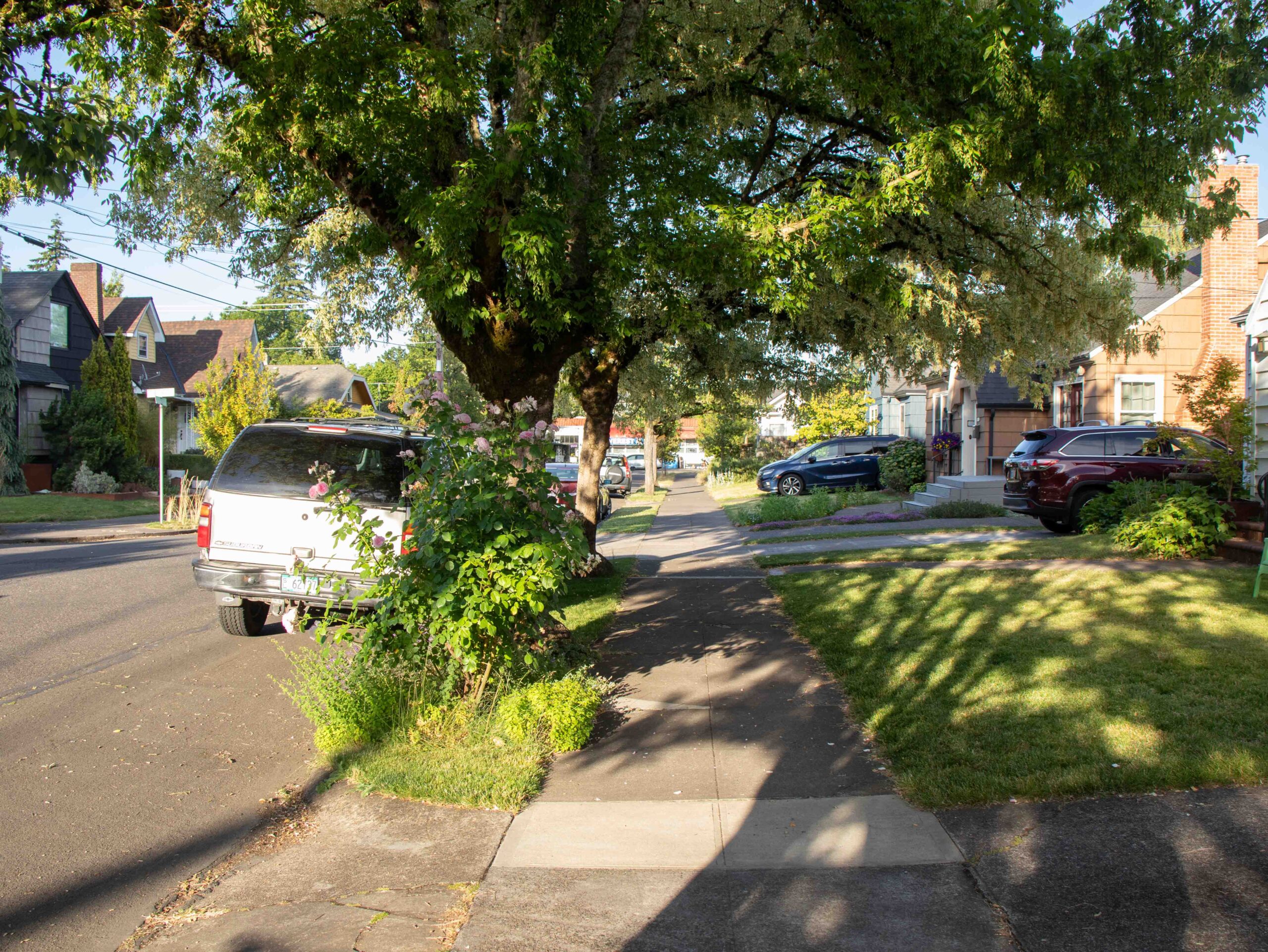
Perceptions integrations To assess the reception of the project within the population, a study was conducted by Portland State University under the direction of
Everett Glyn fac Based on interviews with residents living near infrastructure created over periods 2005-2006, 2009-2010 and 2012.
The questions were about:
– knowledge and understanding of the role of works
– their willingness to participate in the interview
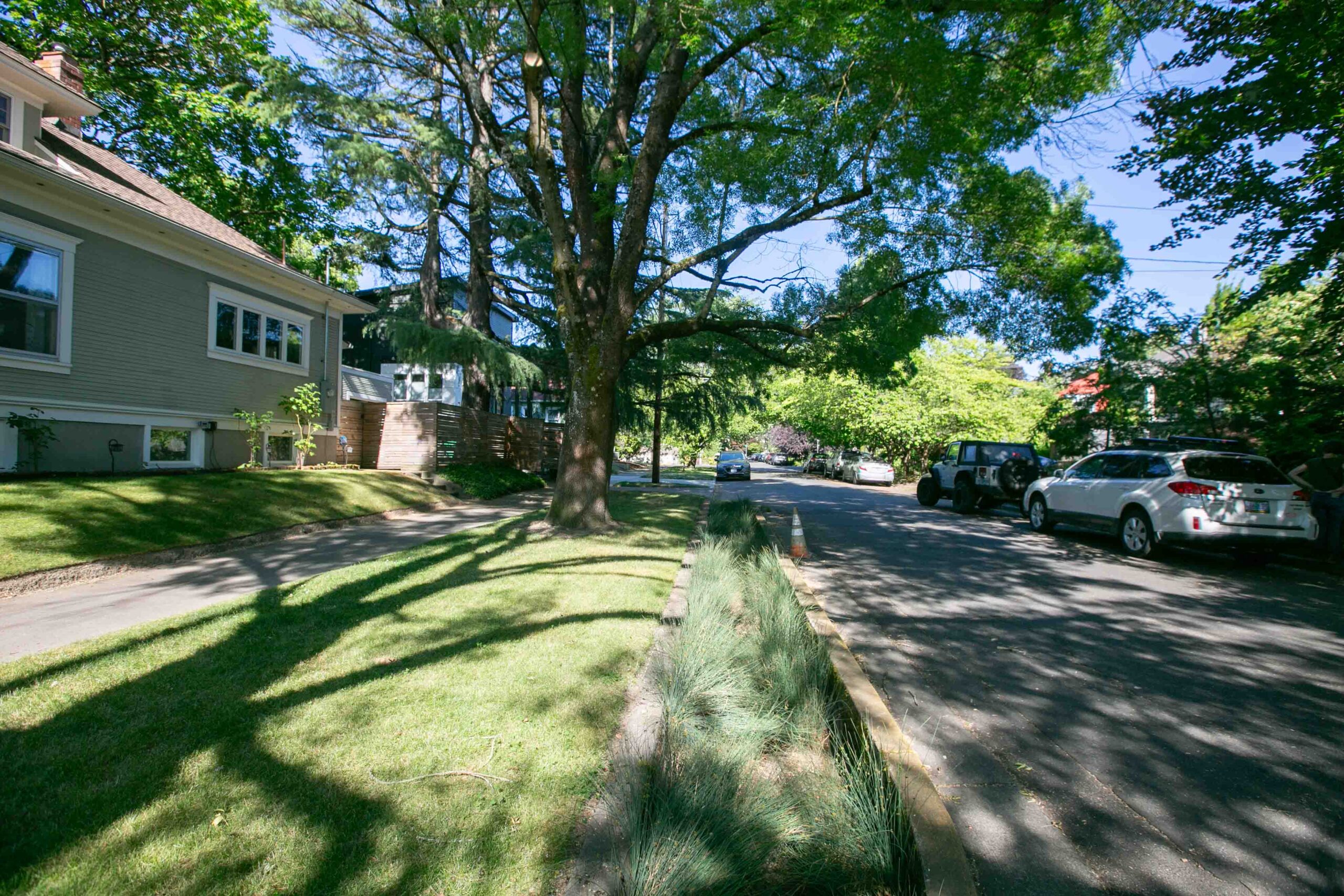
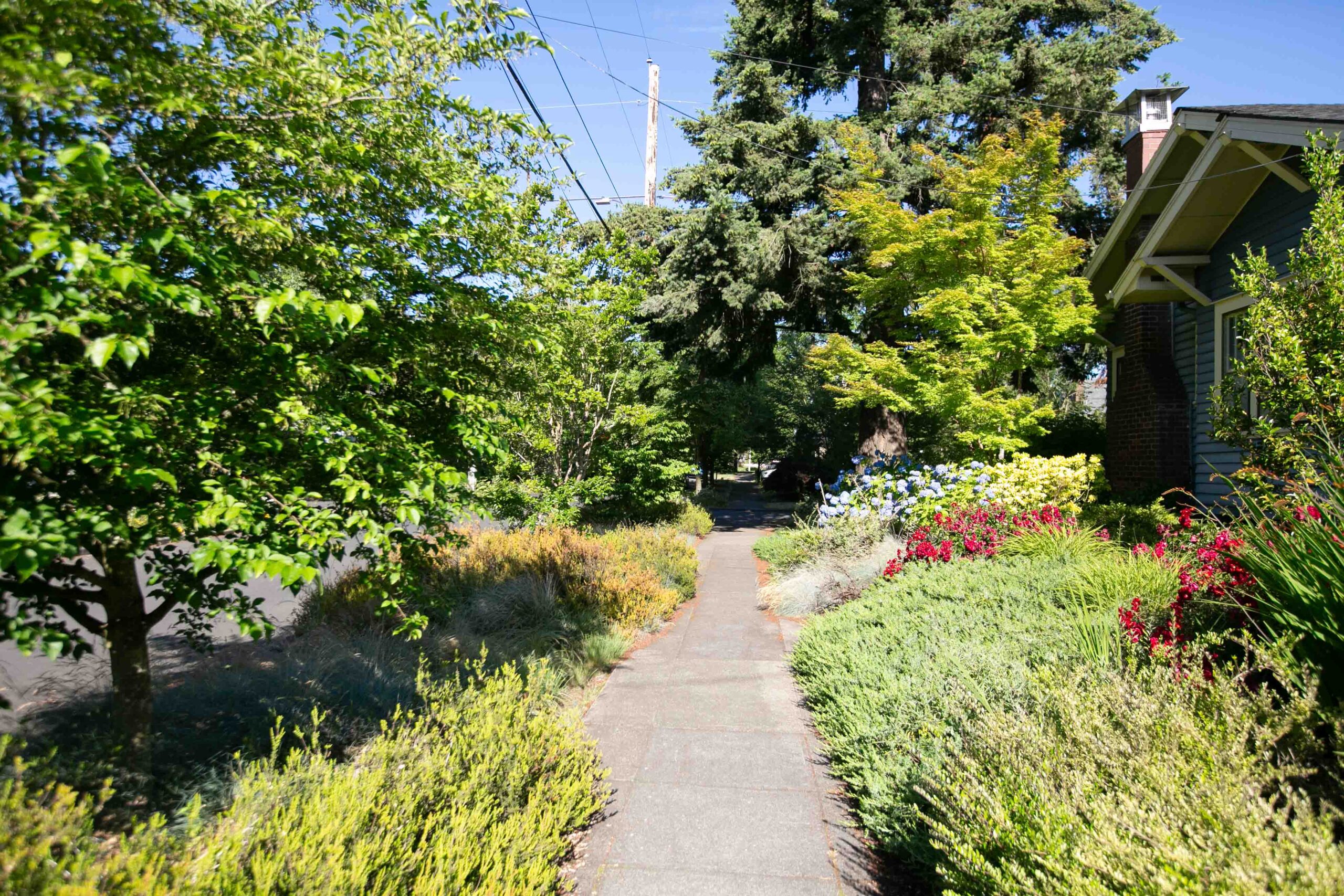
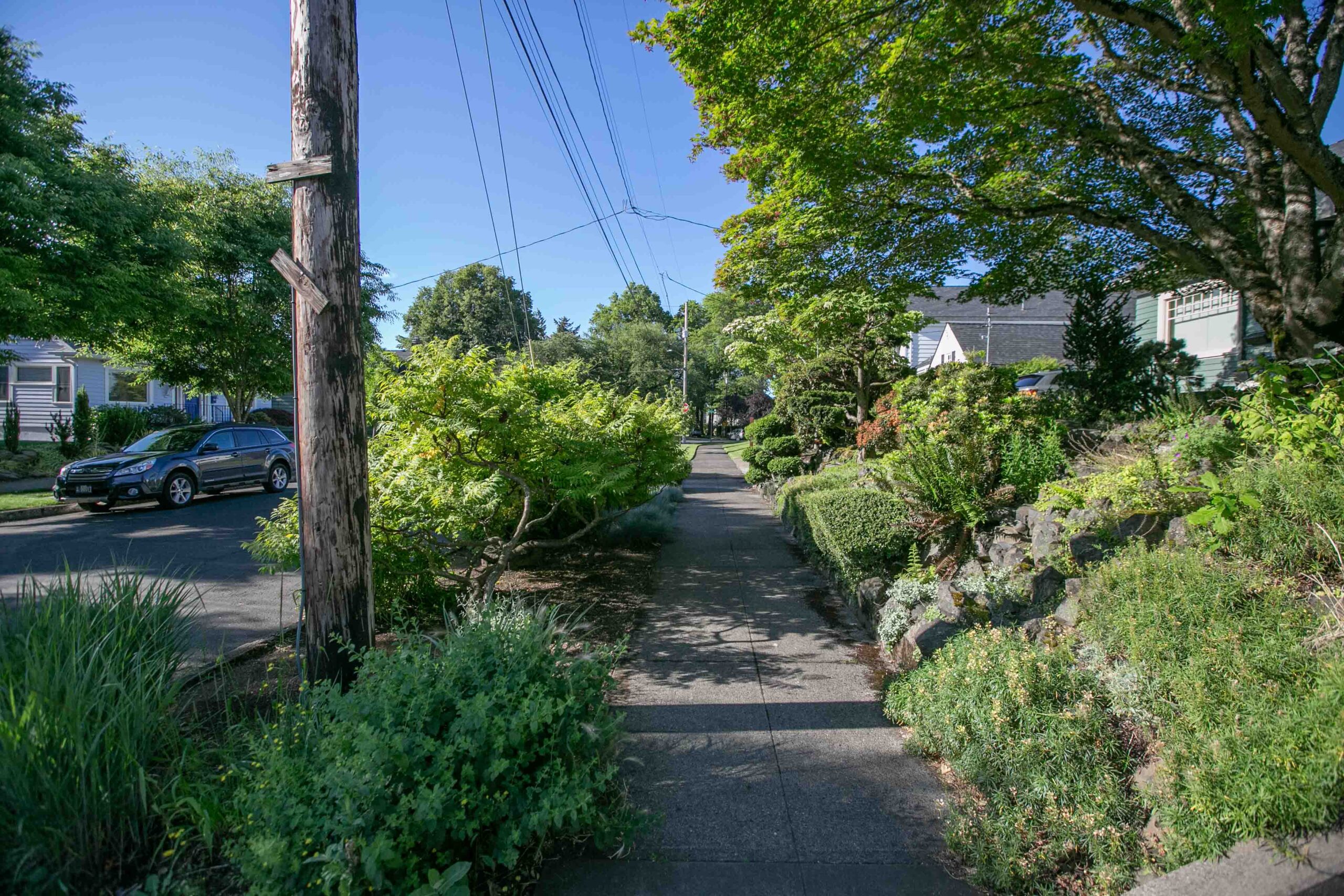
– the overall acceptance of the device What emerges from this study is that in general the opinion is rather positive towards the program. In the perceived benefits, were noted the reduction of risks of flooding, improvement of water quality, and the creation of green spaces.
On the side of the disadvantages, it is the maintenance deemed insufficient (tall plants, neglected aspects, waste), the choice of certain plants deemed unaesthetic, dangerous or attracting insects and mosquitoes.
Finally some criticisms about the loss of parking but quite a minority. Regarding the meaning and understanding of the action, many residents are unaware of the real role of the works and doubt their effectiveness.
On the other hand, when the interrogated people receive an explanation of how it works, acceptance is immediately facilitated.
Some of the interviewees wish to participate in the interview (preparation, weeding) when others believe that it is up to the city. Overall this study tells us that the acceptance of projects depends on local criteria, such as the choice of plants, cleanliness and regular monitoring of works. Regarding acceptance, projects are better welcomed when the inhabitants are integrated into the reflections. It results in a better understanding of roles and functions. The aesthetic approach also remains a very present argument. Overall, the Portland green street project is a success. Even if, as in many projects, there are improvement paths (which have already been taken since the reports were written) Another study confirms the overall good management of this city renaturation policy. This balance sheet is confirmed by another study conducted by
Na’ama Schweitzer from Pomona College in Claremont, California .This thesis explores and compares sustainable stormwater management between Portland (OR) and Los Angles (CA). The objective was to understand why Portland is often cited as an example for conducting and carrying out this type of project. The study is based on the analysis of public policies and local regulations as well as on the analysis of concrete cases and finally on interviews conducted with municipal actors and researchers. The main results show that Portland is a pioneer city in terms of ‘green street’ and ‘bioswales’.